Why architects are increasingly specifying composite decking
Written by
23 July 2026
•
4 min read

Composite decking has come a long way since it first entered the market. Early products developed a reputation for becoming uncomfortably hot underfoot, expanding and contracting with temperature changes, and lacking the natural character of timber. While those perceptions have lingered, the technology has evolved significantly, prompting architects and designers to take another look.
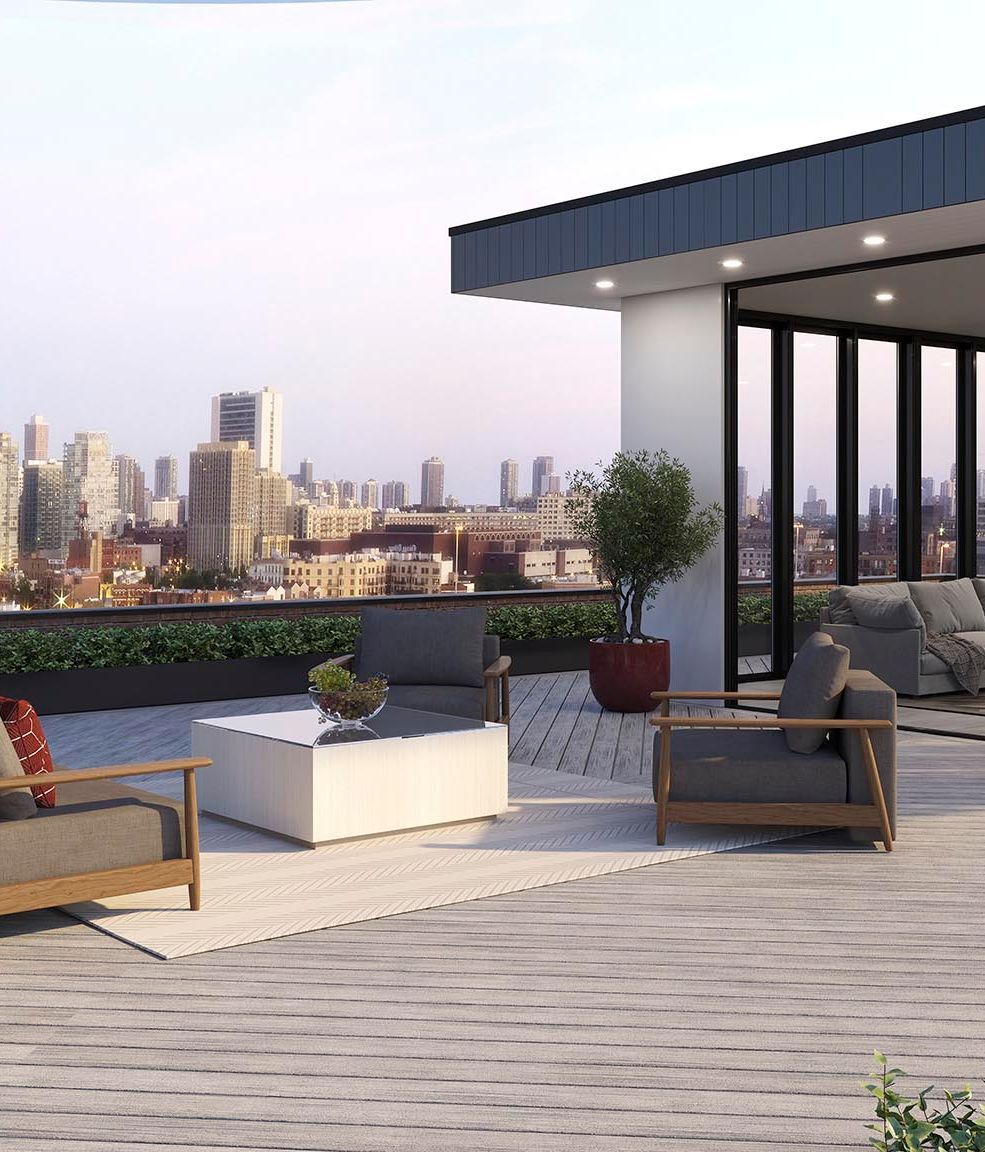
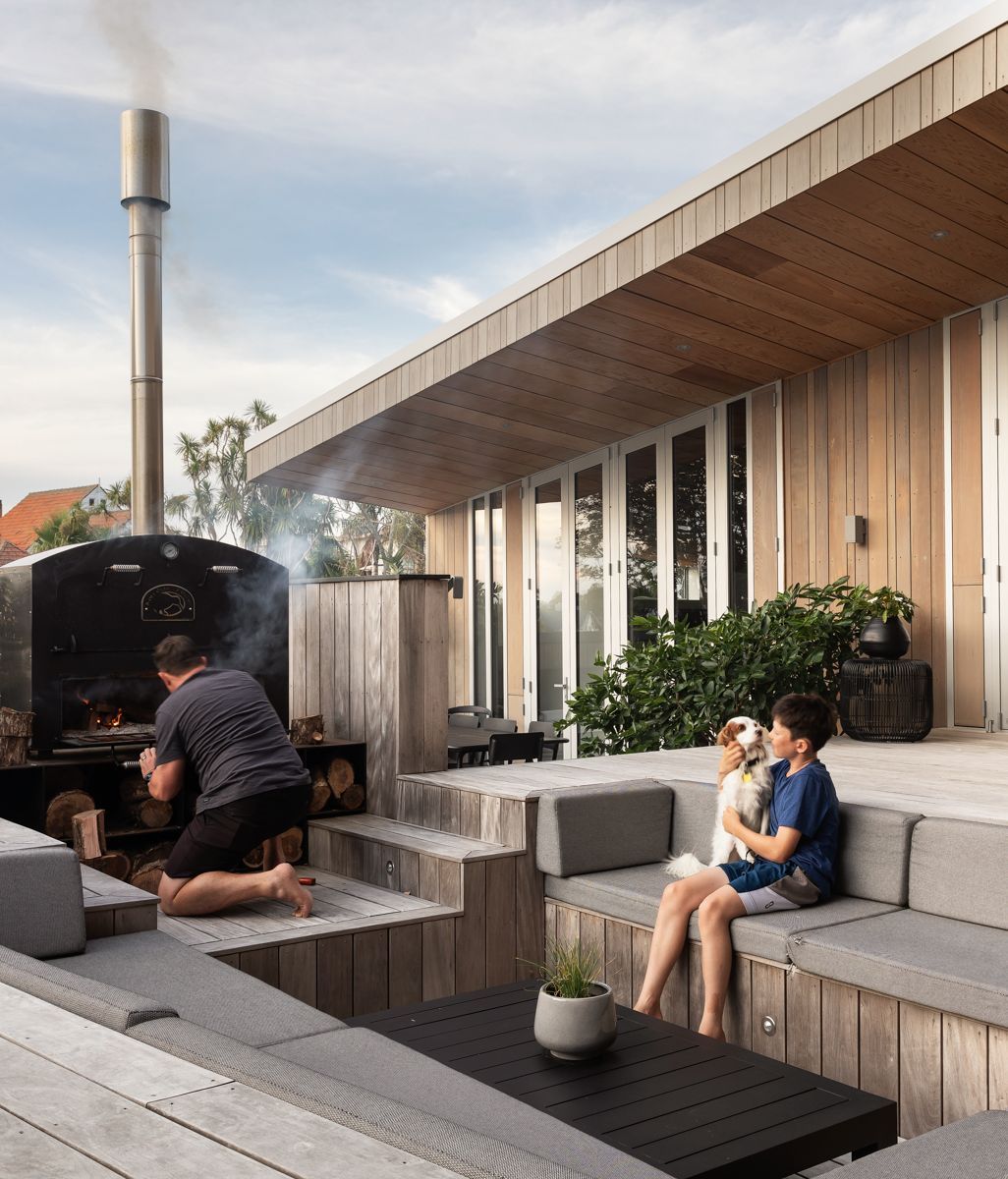
Today, composite decking is being specified across everything from family homes to luxury resorts, retirement villages and commercial developments, driven by advances in performance and aesthetics. Rather than simply replacing timber, the latest generation of composite decking is responding to the growing demand for materials that deliver exceptional durability with minimal maintenance.
Jerremy Clarke from Hurfords says many of the misconceptions surrounding composite decking stem from earlier products.
"Early composites moved around a lot, they weren't stable and they were very hot underfoot," he explains. "But the latest composite boards, such as the *Trex Transcend Lineage range, take both those things out of the equation. It's stable, it won't cup, it won't rot, it won't warp, and with the heat mitigation technology, it's a lot cooler than most traditional PVC composites."
Heat performance has become an increasingly important consideration as outdoor living spaces continue to become true extensions of the home. One of the defining features of the Trex Transcend Lineage range is its integrated heat mitigation technology, which reflects UV rays to help reduce surface temperatures.
"Most PVC composite boards retain a lot of heat," says Clarke. "Trex Trancend Lineage has heat mitigation technology which keeps the decking around five to seven degrees cooler underfoot than a timber deck."
Performance, however, extends well beyond comfort. Increasingly, architects are seeking products that will maintain their appearance over decades while reducing ongoing maintenance requirements for clients.
For many projects, that long-term value proposition is proving just as important as the initial aesthetic.
"With composite you're going to get more than three times the lifespan of timber," Clarke says. "You also don't have the ongoing maintenance of a timber deck, so you don't have to stain it once or twice every year. It's a long-term investment."

Trex backs that longevity with a 50-year structural warranty alongside a 50-year stain and fade warranty for the New Zealand market, offering reassurance for residential specifications.
Another factor contributing to its growing popularity is ease of specification. Hurfords' Trex Transcend Lineage range carries CodeMark certification, providing confidence that the product complies with the requirements of the New Zealand Building Code across durability and structural performance.
"For architects and designers, it's a very easy and safe product to specify because you know it meets the rigorous requirements of the New Zealand Building Code," Clarke explains.
Aesthetically, composite decking has also matured. Earlier generations often displayed repetitive grain patterns that revealed their manufactured origins. Advances in production techniques have changed that.
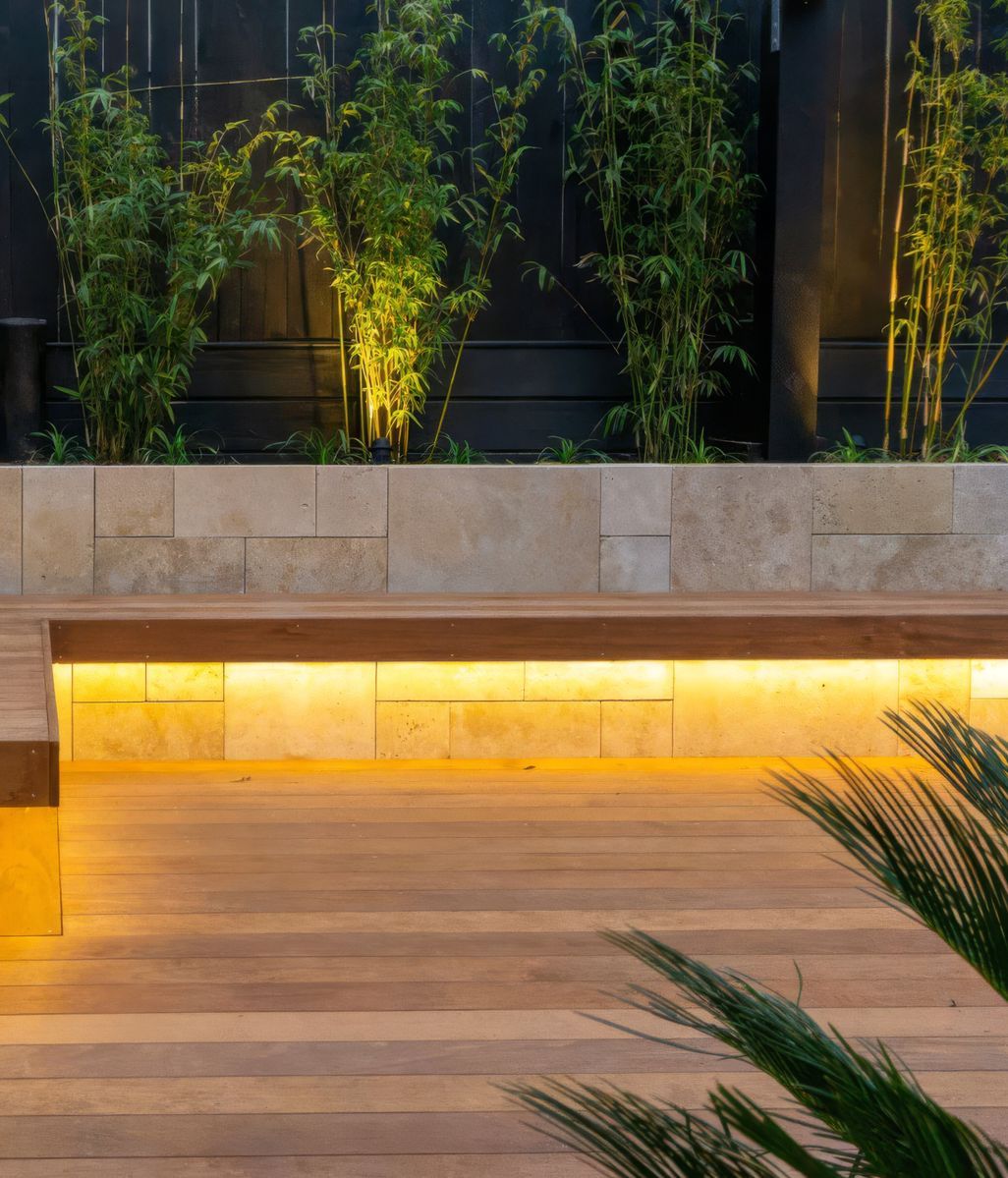
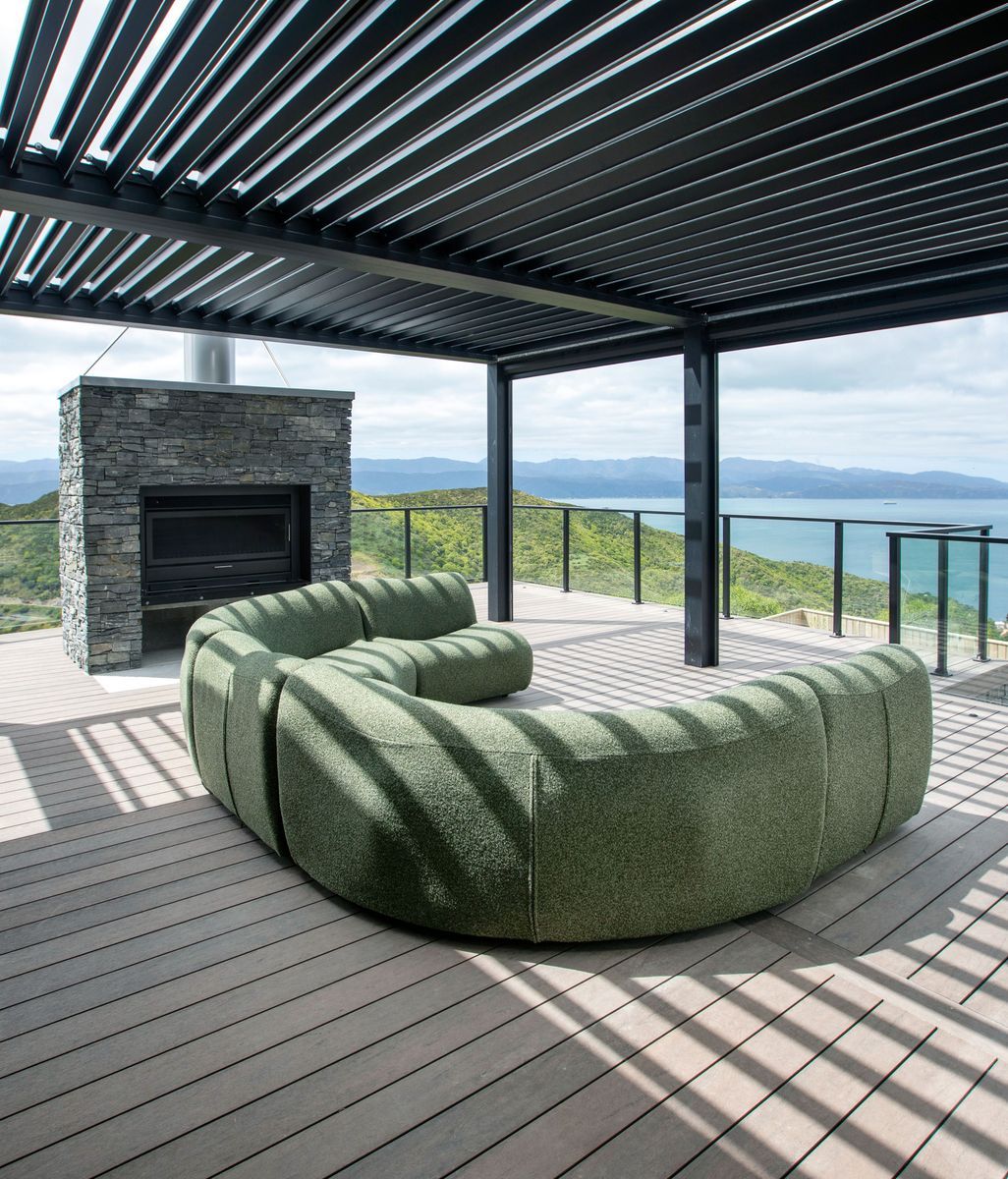
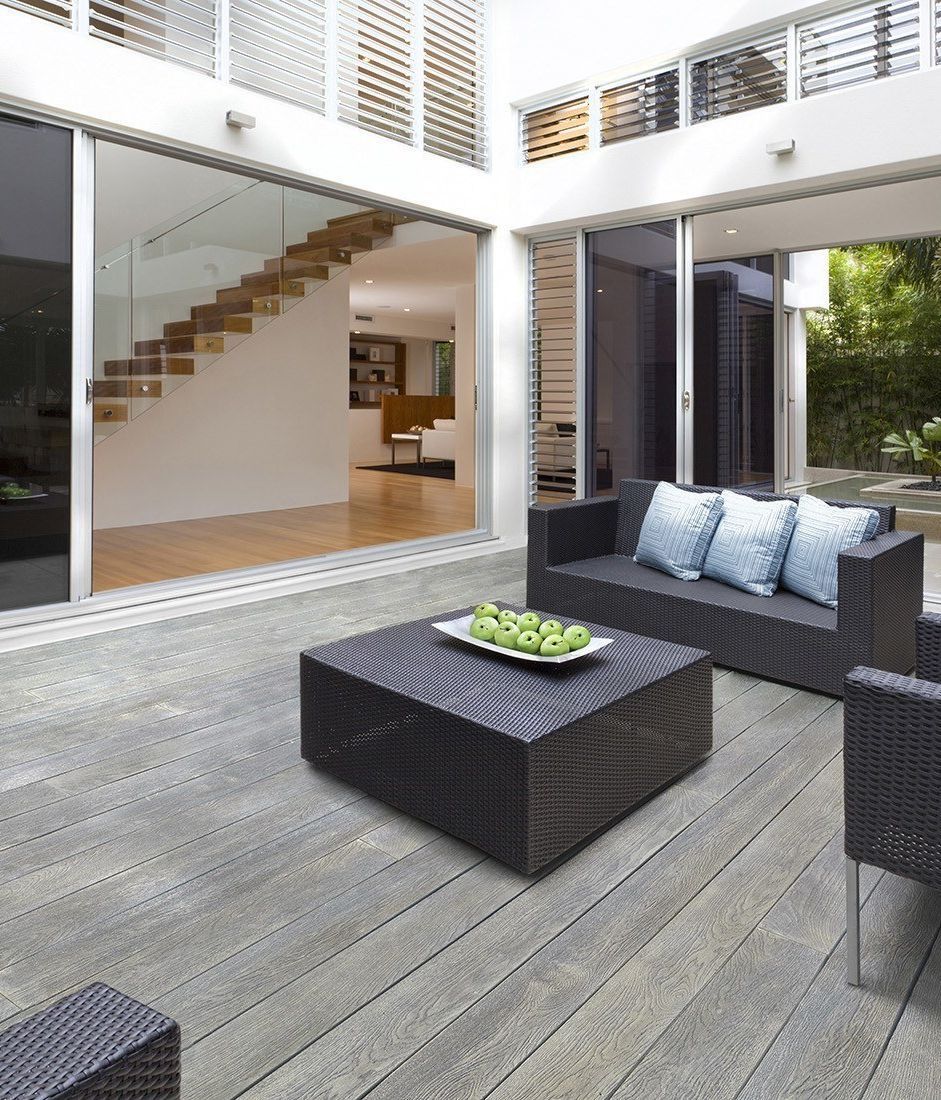
Available in seven contemporary colours, including two recent additions, the Trex Transcend Lineage range features woodgrain created during the extrusion process, producing boards with greater visual variation and a more authentic timber appearance. Concealed fixings further reinforce the clean, uninterrupted finish increasingly sought after in contemporary architecture.
Sustainability is another important driver behind the material's growing appeal. Manufactured from 95 per cent recycled content, the boards combine reclaimed timber shavings with recycled plastics, diverting significant volumes of waste from landfill while creating a highly durable building product.

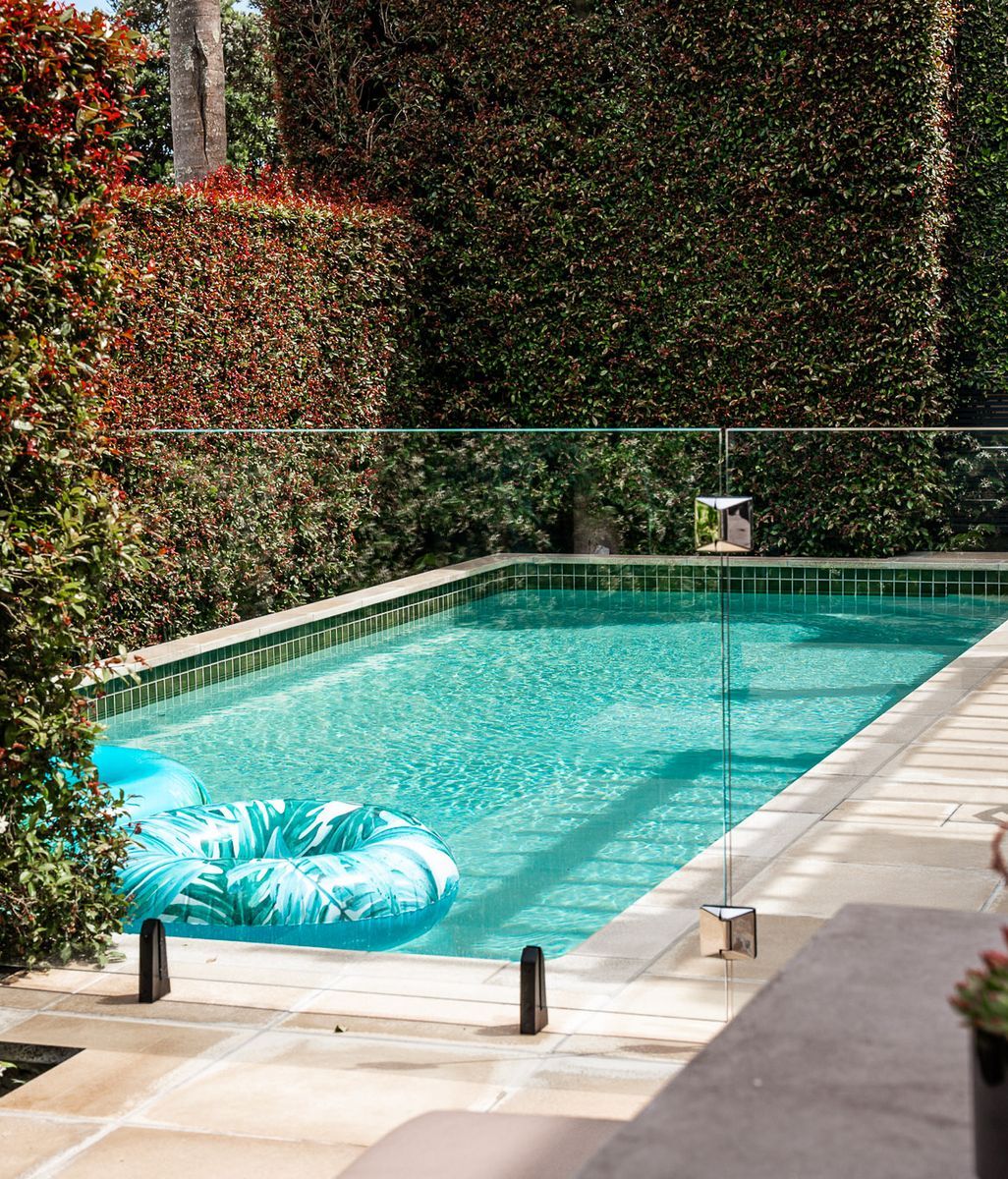
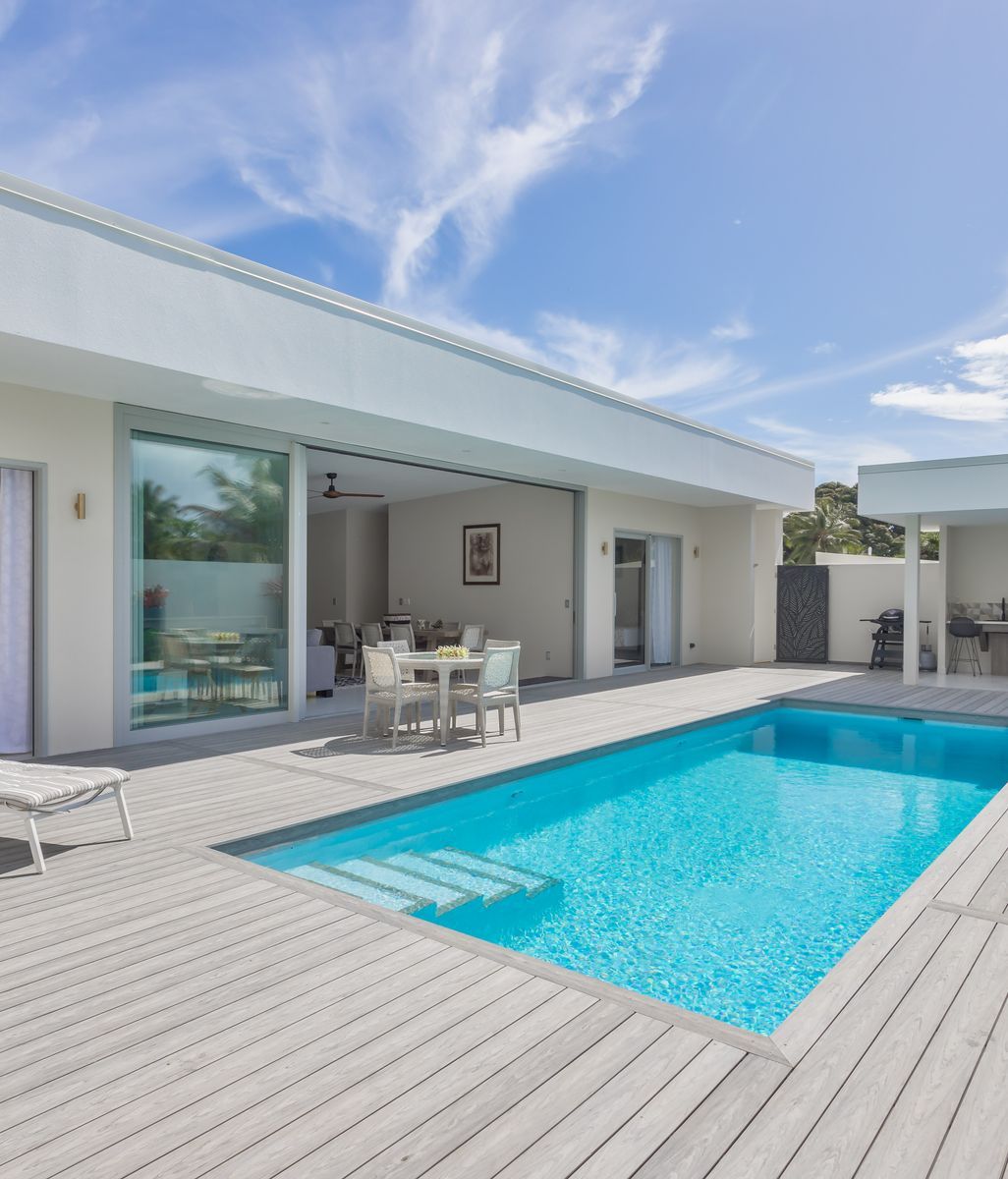
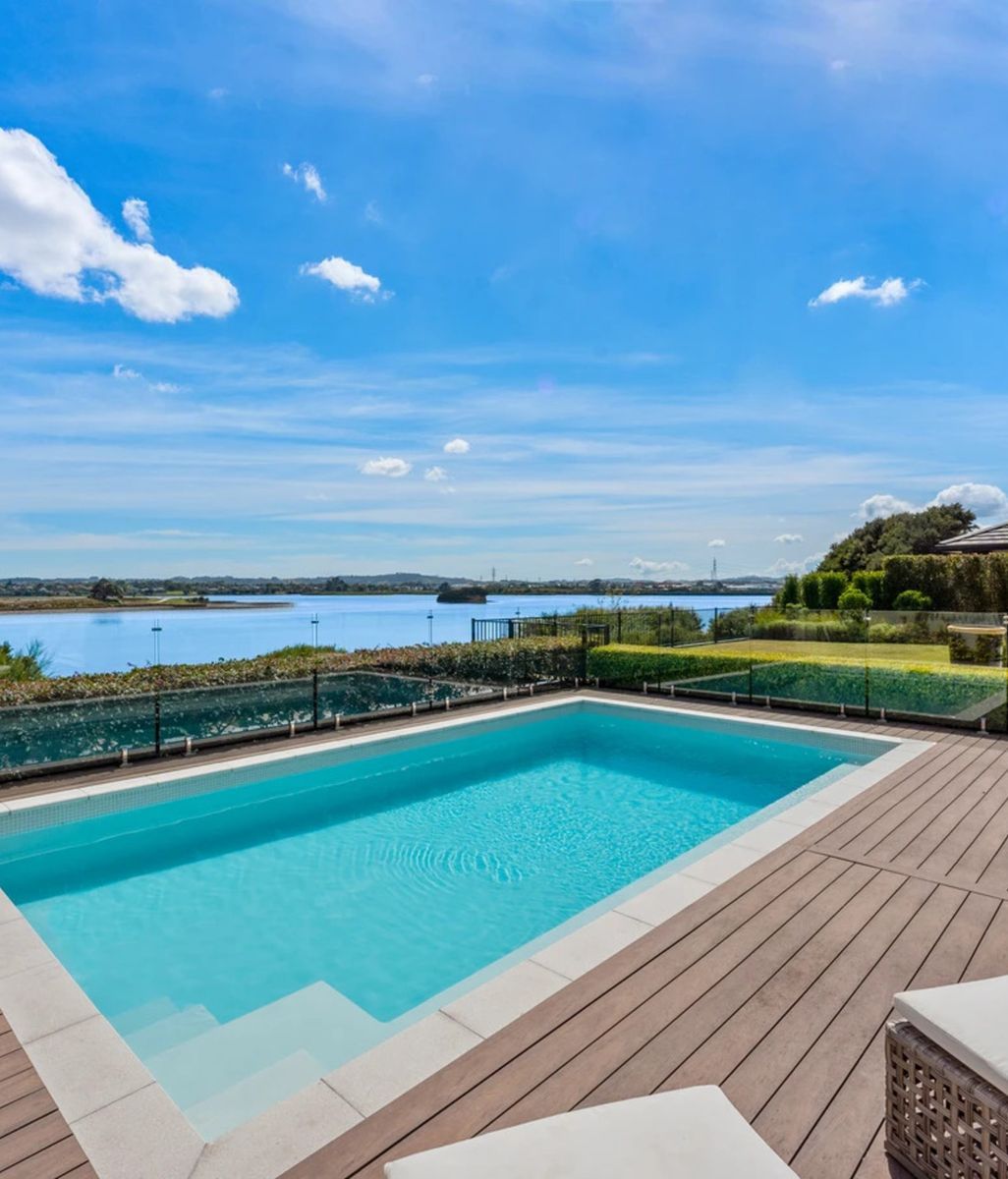
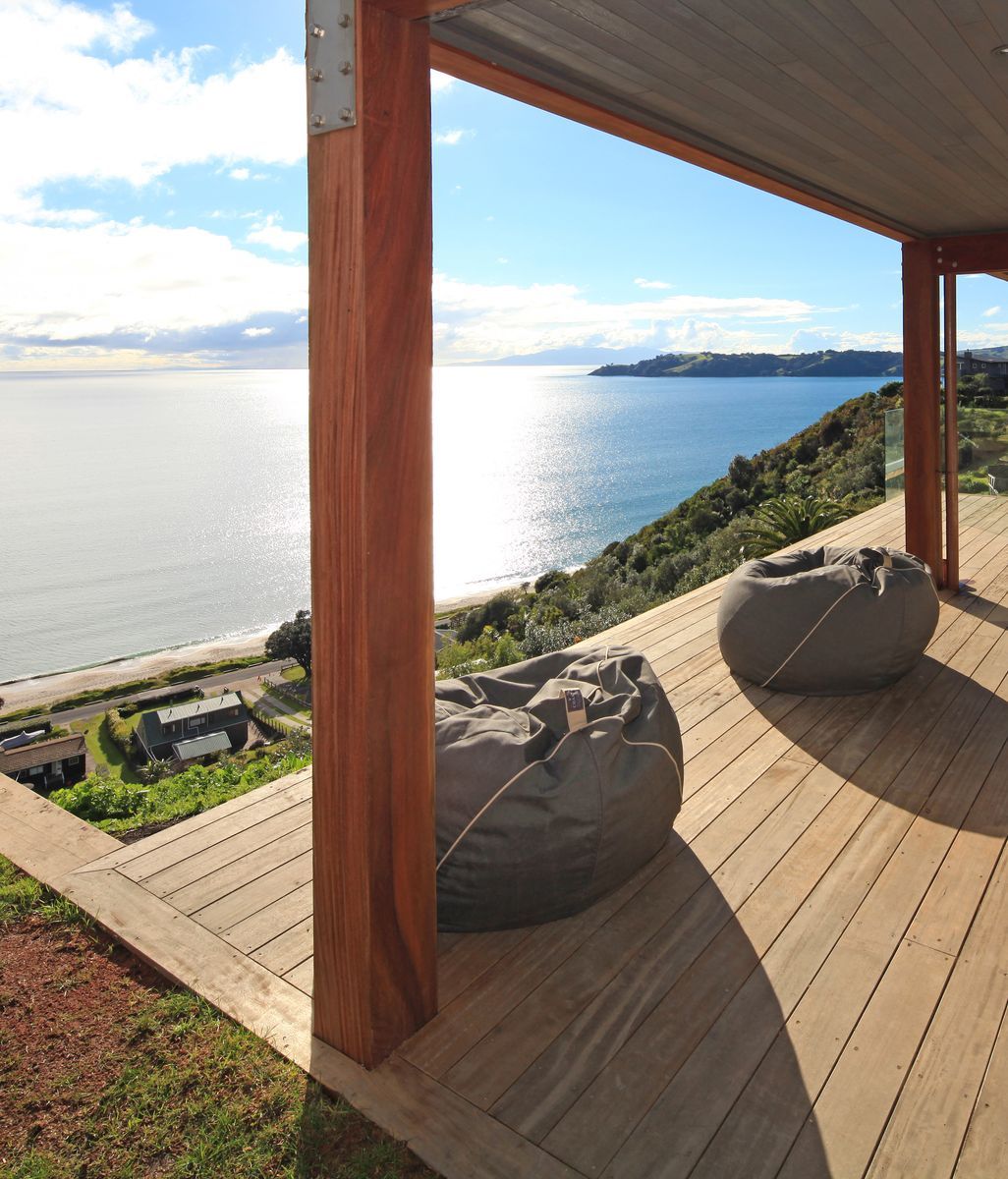
The material's dimensional stability also broadens where it can be used. Unlike timber, composite won't absorb moisture, allowing installation closer to the ground and making it well suited to coastal environments, pool surrounds and other demanding outdoor applications.
With a proven global track record spanning more than 25 years, Trex has become one of the world's largest manufacturers of composite decking. For architects, that established reputation provides confidence that the product will continue to perform well into the future, supported by warranties from a company with a long-standing presence in the market.
Building and renovating should be exciting, not exhausting. ArchiPro brings together New Zealand's leading products, professionals and projects in one place, making it easier to discover innovative building solutions and specify materials with confidence.
*Trex® and Transcend Lineage® are registered trademarks.