Designing for the Future: Sustainable and Flexible Commercial Spaces in the Waikato

featuring Esse Architects

Esse Architects logo
  • 9.9K profile views
  • 5 saves

Sustainable commercial design is about creating buildings that perform efficiently today while adapting to the needs of tomorrow. Peter Hunt of Esse Architects explores how thoughtful material choices, energy efficiency and flexible design can create commercial spaces that support people, reduce environmental impact and deliver lasting value.
Visit Website

The way we design commercial spaces is changing. Across the Waikato and throughout New Zealand, businesses are rethinking how their buildings can adapt to new ways of working, reduce their environmental footprint, and stand the test of time.
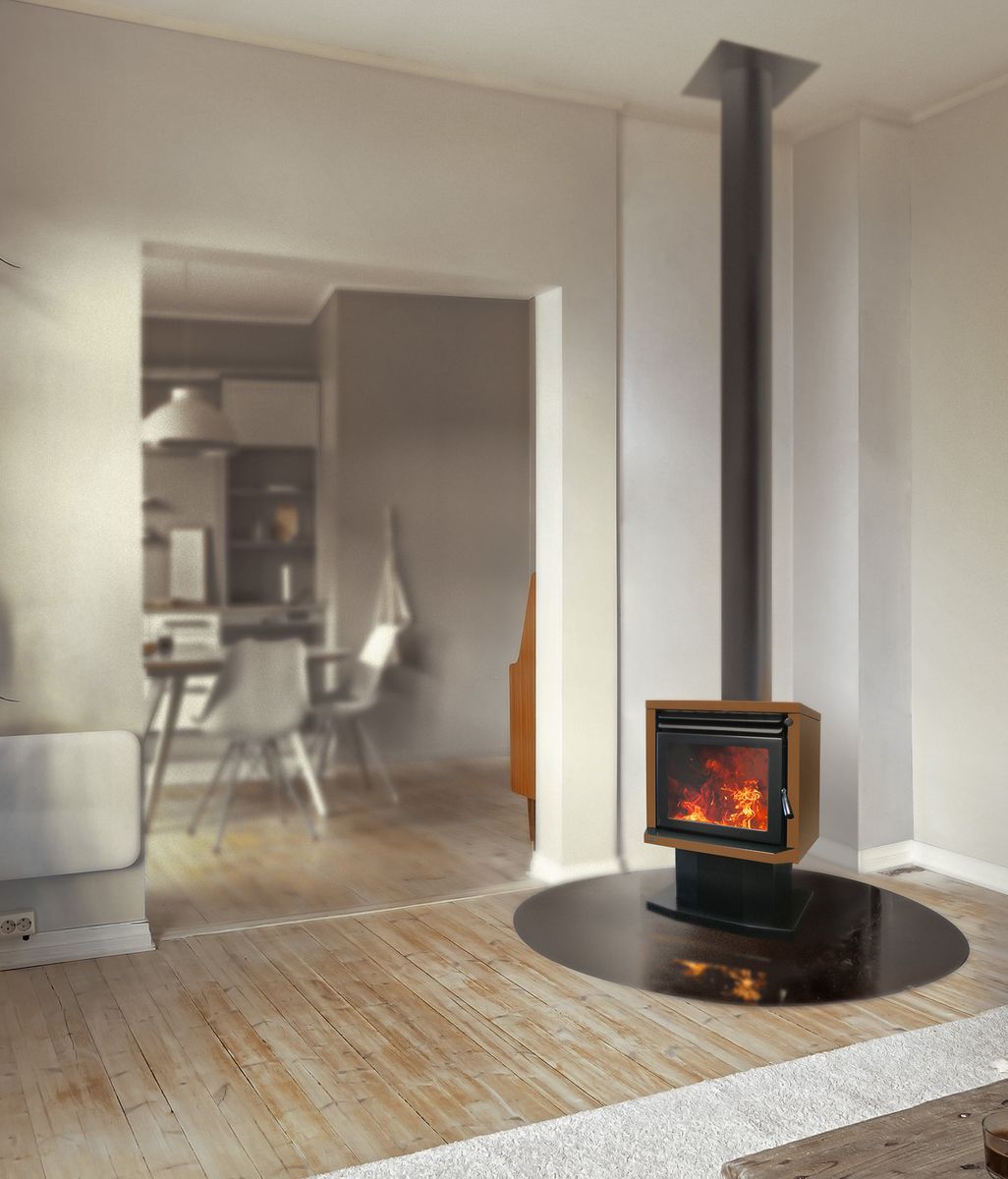
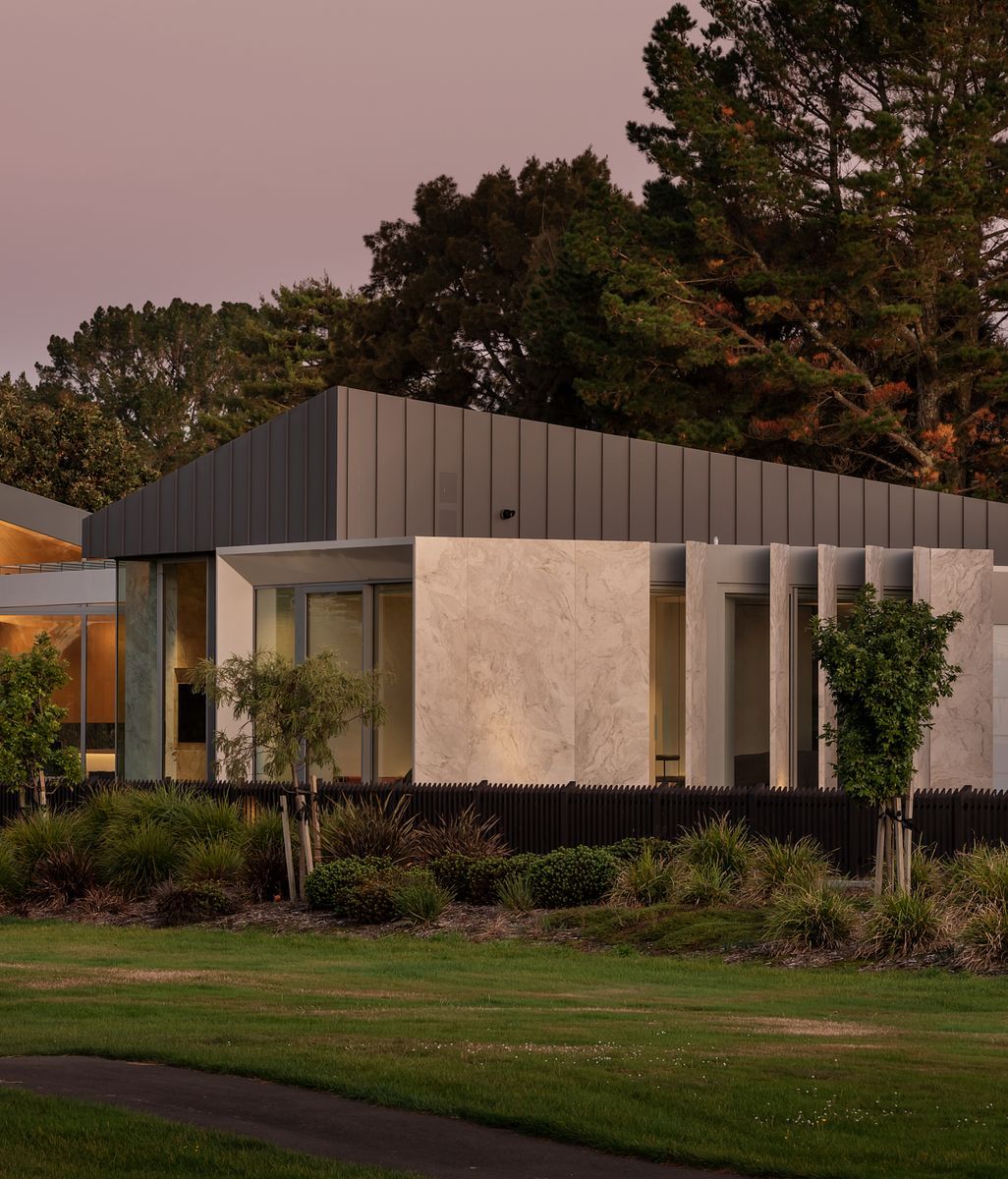
At Esse Architects, award winning commercial architects in the Waikato, we believe the most successful commercial architecture is both sustainable and flexible . Buildings designed not just for today’s needs, but for the opportunities and challenges of tomorrow. Whether creating new developments or upgrading existing sites, our focus is on intelligent, enduring design that enhances performance while minimising impact.
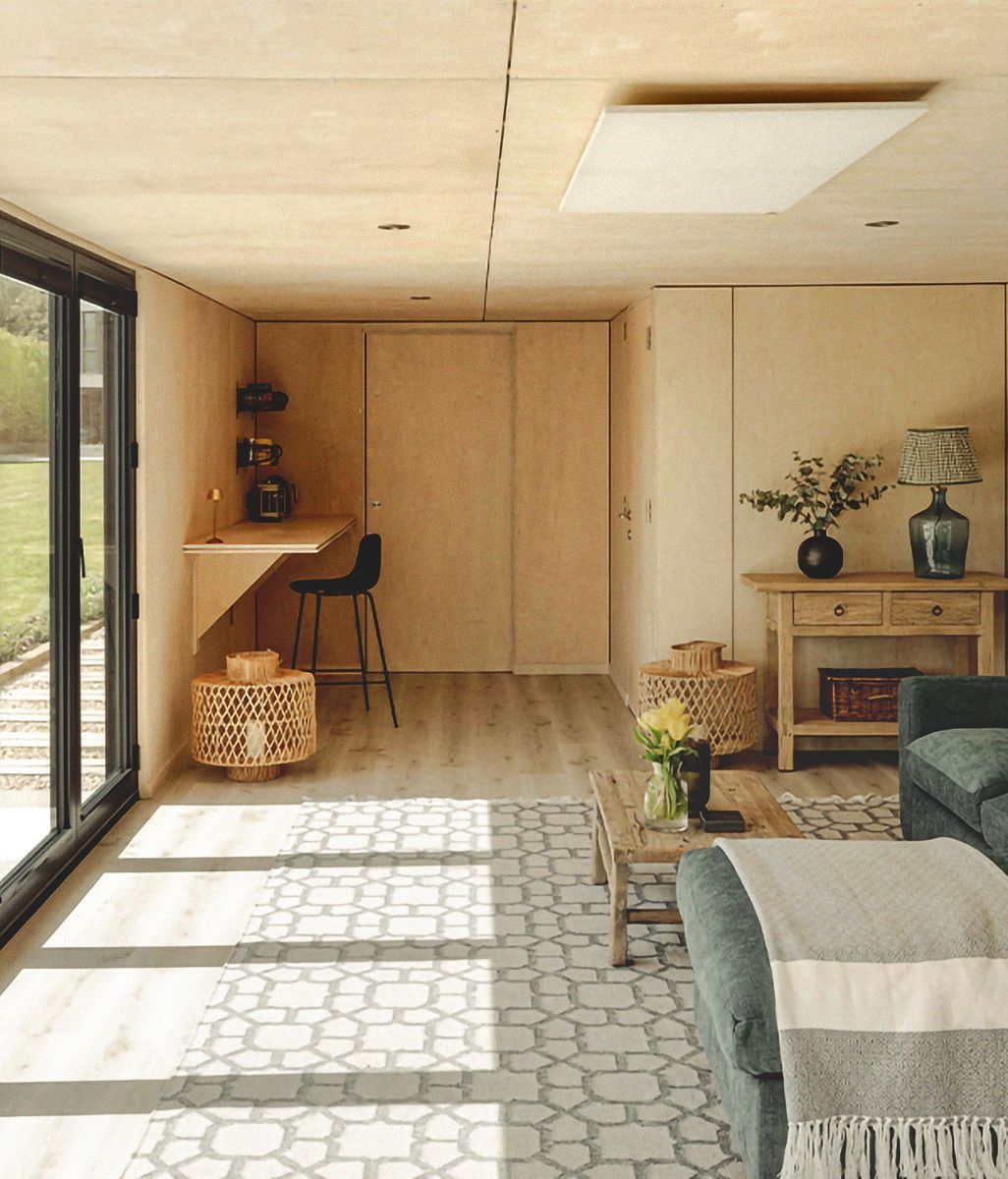
Why Sustainability Matters in Commercial Design

Sustainability is no longer an optional feature; it’s an expectation. Forward-thinking businesses recognise that efficient buildings are not just better for the planet, they are also better for people and long-term profitability.

Sustainable commercial design considers the entire lifecycle of a building from construction materials and energy performance to how it can be adapted, reused, or maintained over decades. This holistic view ensures that buildings remain relevant, comfortable, and cost-effective well into the future.

At Esse Architects, we integrate sustainable thinking into every stage of design. Orientation, material selection, and passive design principles all play a role in reducing energy consumption and improving occupant wellbeing. Natural light, ventilation, and thermal performance are carefully balanced to create spaces that are both efficient and enjoyable to work in.


Modern Workplace Design in NZ

The modern workplace is dynamic. Businesses evolve, teams expand, and technology shifts faster than ever before. Flexible architecture anticipates these changes.

Designing adaptable spaces allows organisations to reconfigure layouts, scale operations, and accommodate new functions without costly alterations. Movable partitions, modular systems, and multi-use zones are just a few strategies that can future-proof a building.

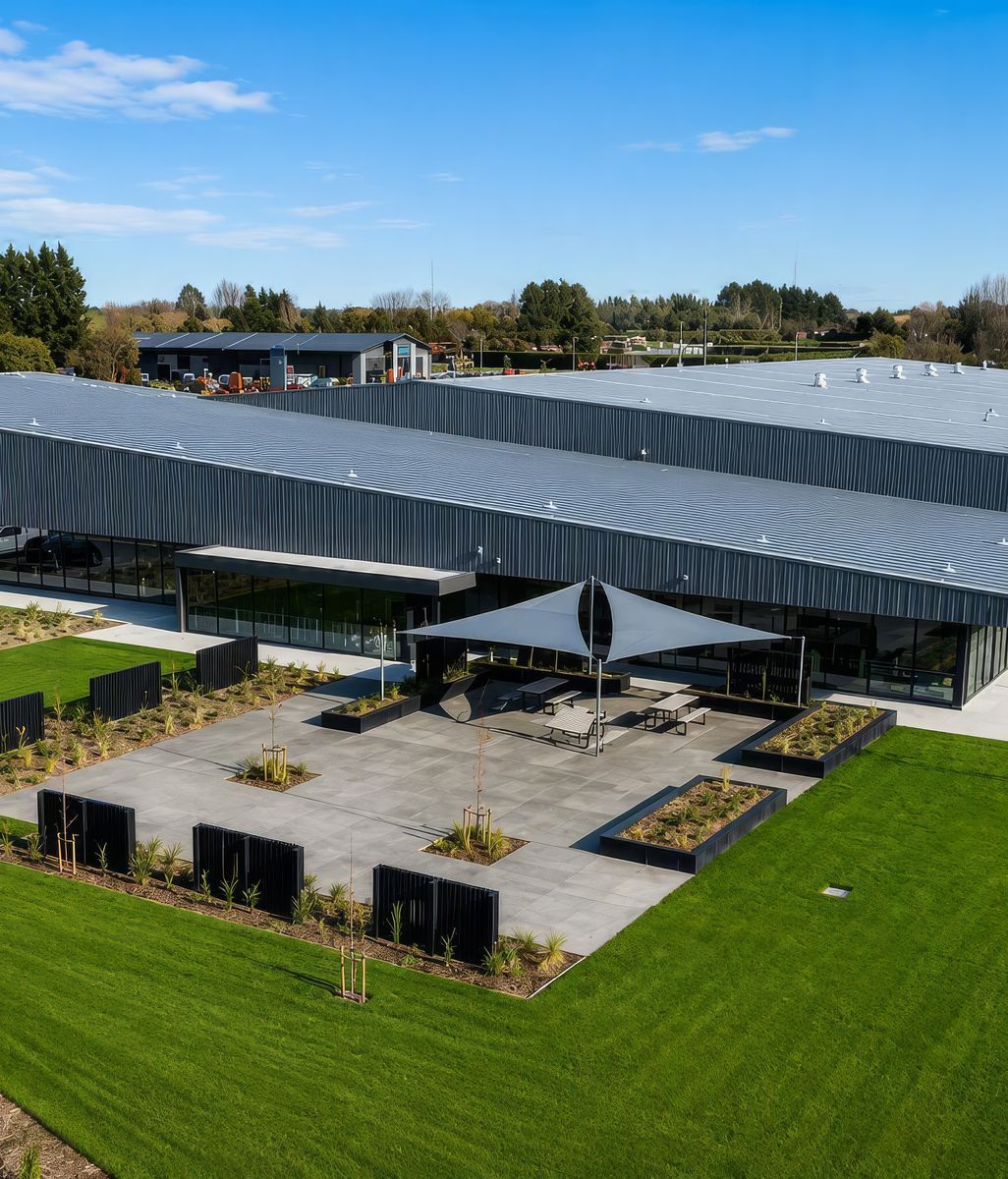
Esse’s commercial projects in the Waikato often combine flexibility with longevity. We design structures and spatial frameworks that can respond to change . This might involve converting offices into mixed-use spaces, integrating new technologies, or accommodating new patterns of work. This adaptability approach extends the building’s relevance and strengthens its return on investment.


Balancing Innovation with Integrity

While sustainability and flexibility are crucial, true architectural success depends on balance. Buildings must not only perform efficiently but also express identity and purpose. A workspace designed with integrity connects people to place and culture, grounding innovation in something lasting and human.

Our approach at Esse Architects blends innovation with restraint. We explore new materials, technologies, and design methods while maintaining the timeless principles of proportion, light, and clarity. This balance ensures that our commercial architecture endures aesthetically, functionally, and environmentally.


The Waikato Context

The Waikato region is one of New Zealand’s fastest-growing commercial hubs, with a strong agricultural, industrial, and educational base. Designing for this context means understanding its pace of growth, climate, and cultural landscape.

Our work in the area shows these changes affecting the region. We create spaces that are efficient, responsive, and respectful of the local environment. We see sustainability as our responsibility. This applies to both Hamilton’s city areas and regional projects. We are committed to our clients and the community.


Final Thoughts