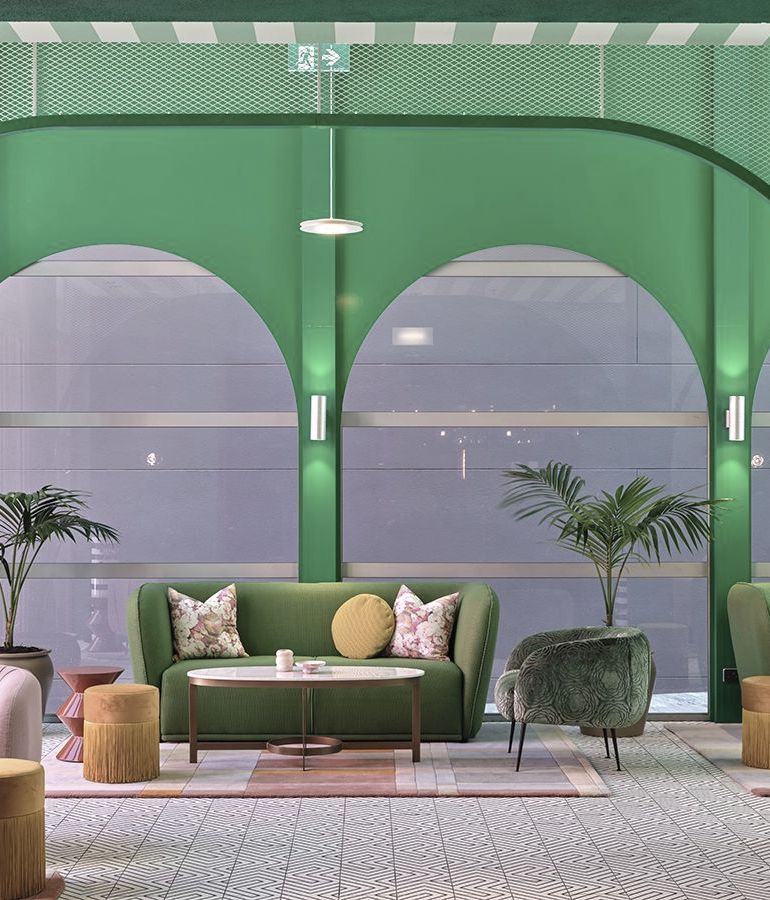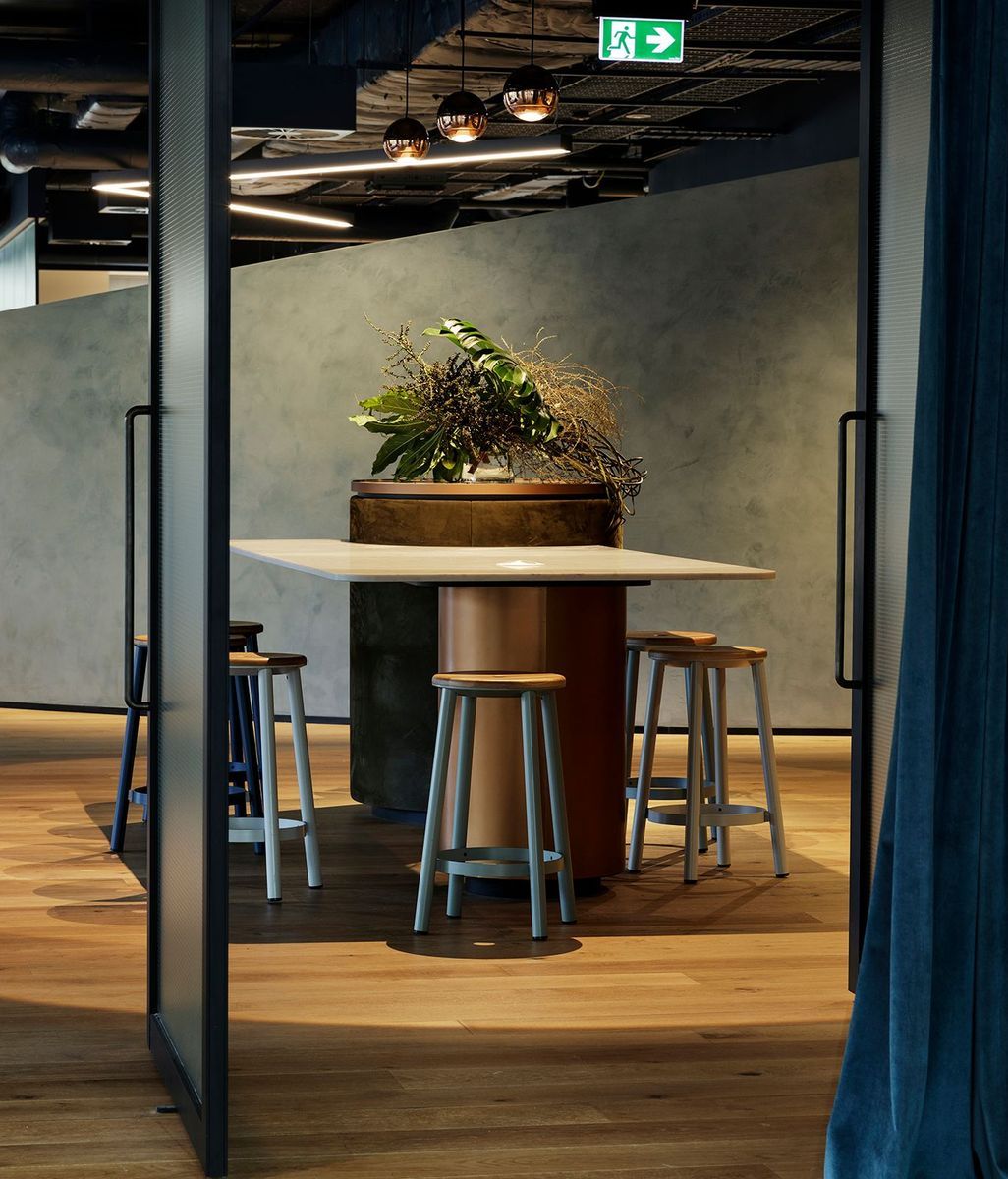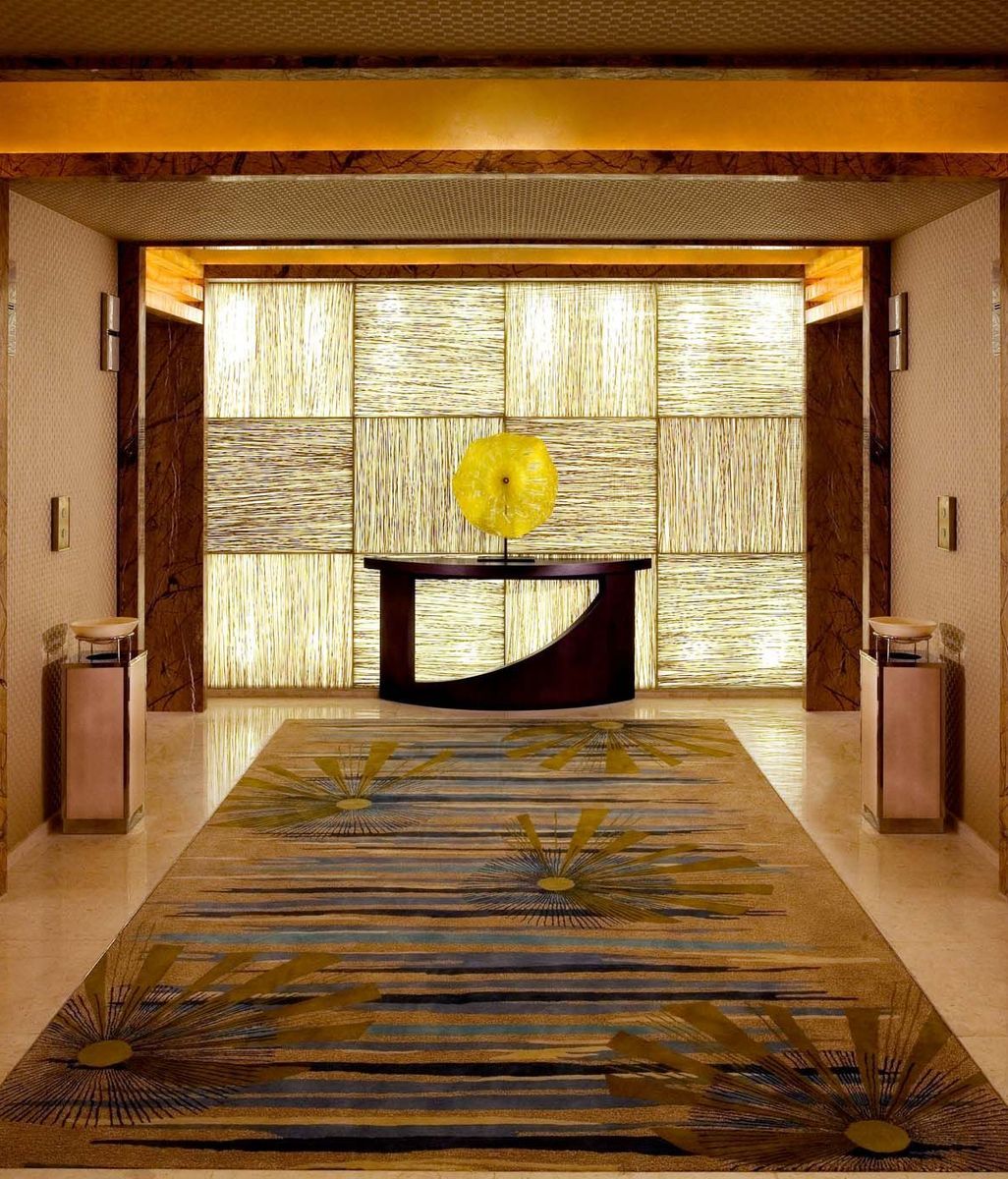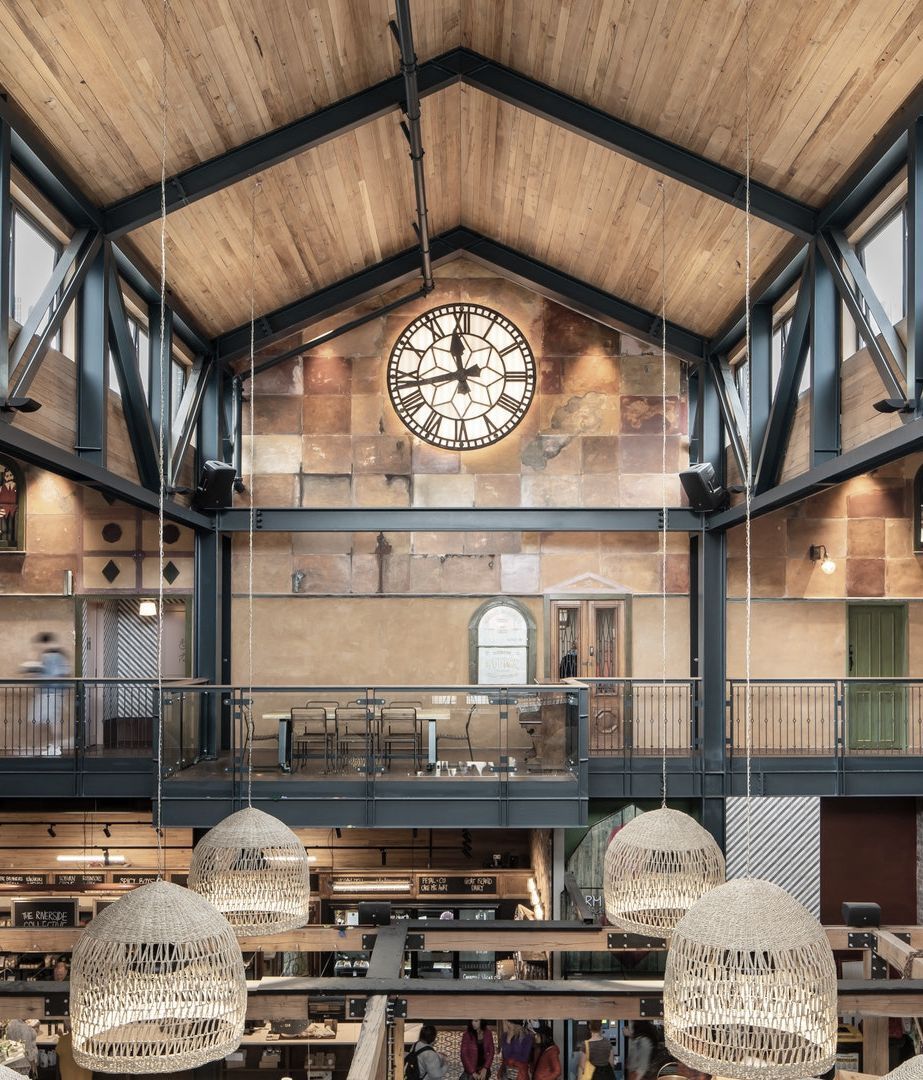
CTRL Space appointed to reimagine landmark Queenstown accommodation site

featuring CTRL Space

CTRL Space logo
  • 63.7K profile views
  • 23 saves

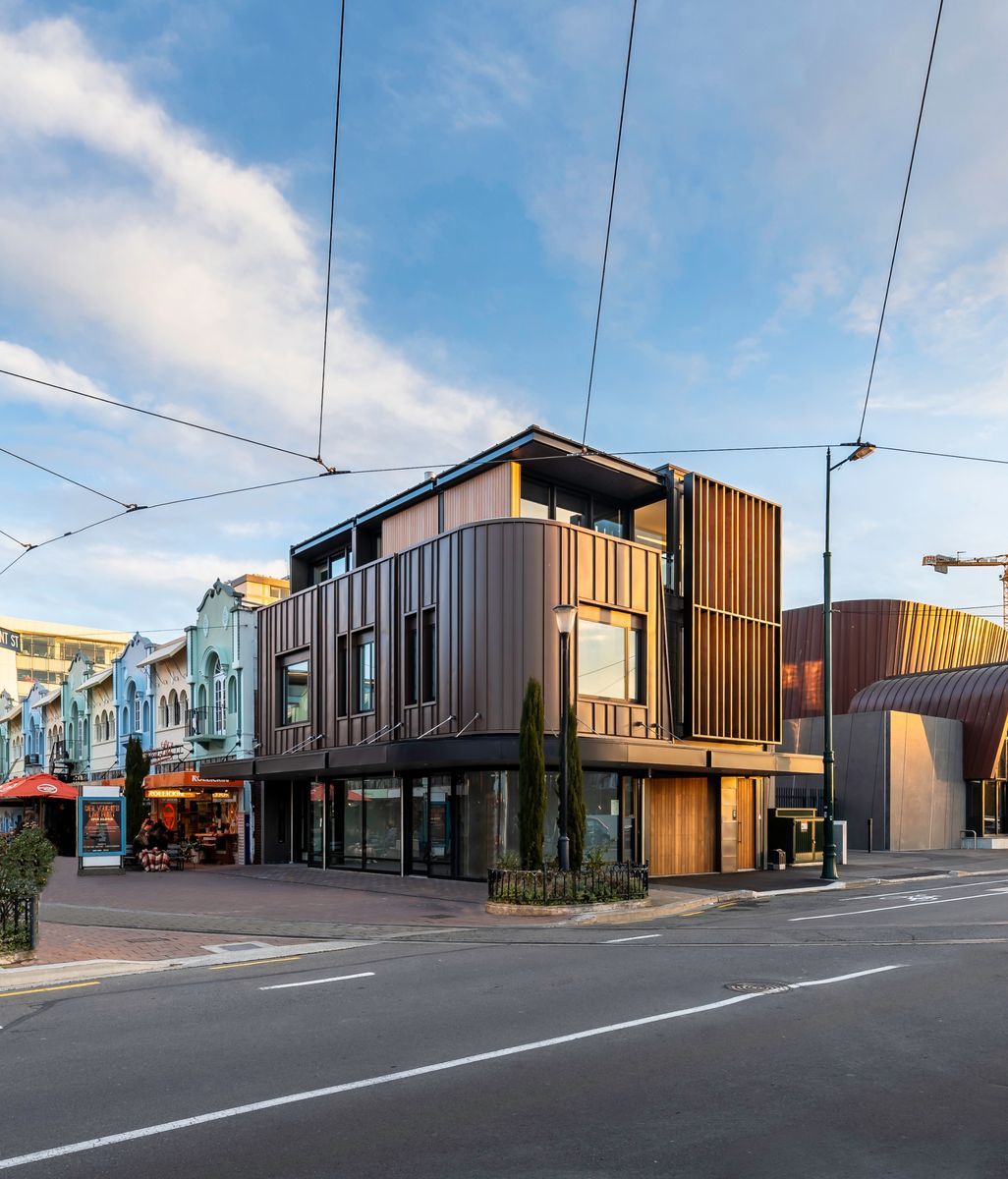
A former hostel in the heart of Queenstown is set for a major transformation, with Trans-Tasman design studio CTRL Space appointed to lead the interior design vision for the redevelopment of 46–49 Shotover Street.

Visit Website

Owned by Gaw Capital Partners, the centrally located property will be repositioned as a contemporary hybrid hotel, designed for a new generation of global travellers. The four-storey site spans 1,000sqm and includes active ground-floor retail frontage, with visitor accommodation above.

For CTRL Space founder Chris Stevens, the project reflects a shift in how hospitality environments are being designed, particularly for millennial and Gen Z travellers seeking experience, atmosphere and connection over more traditional ideas of luxury.

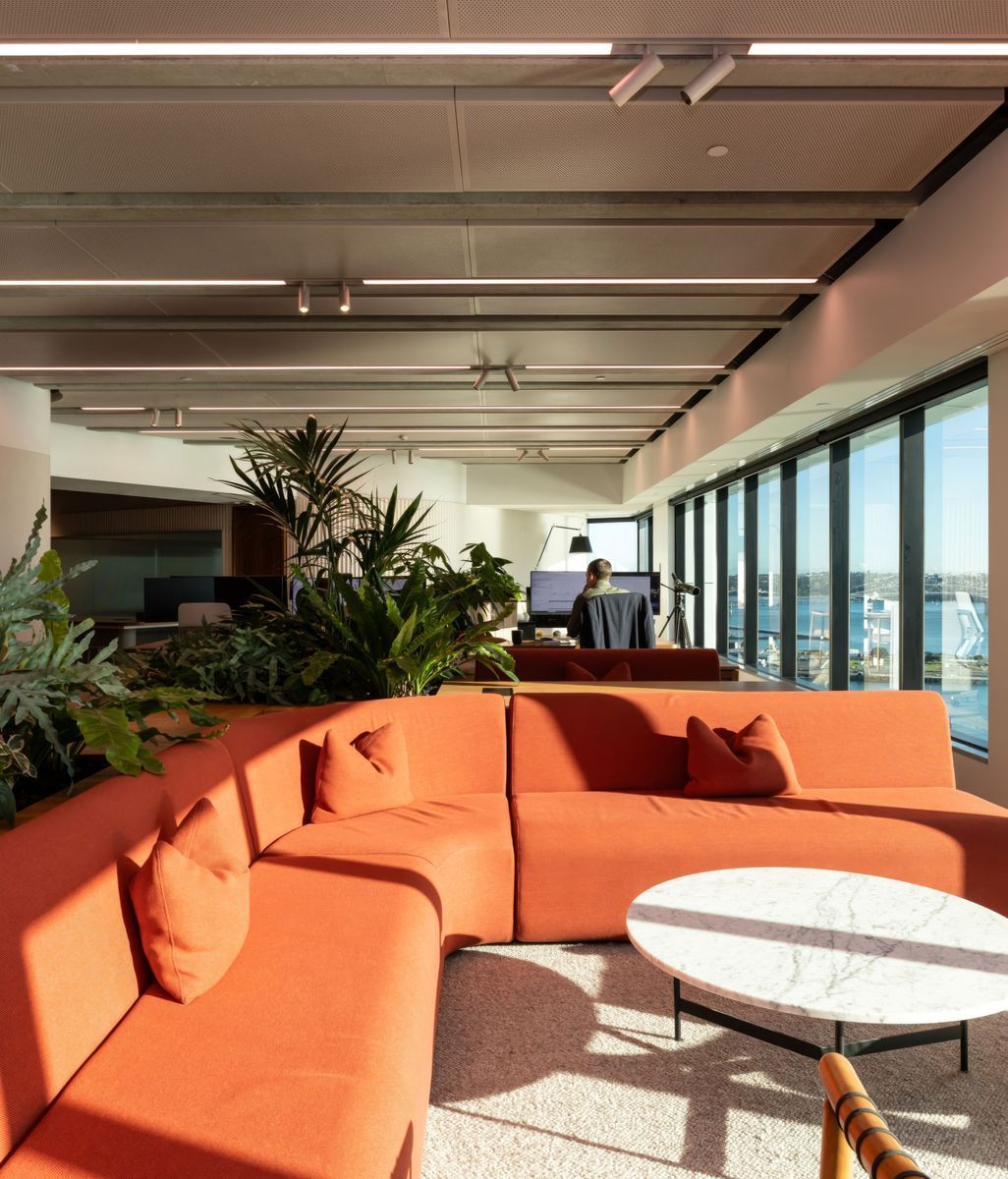
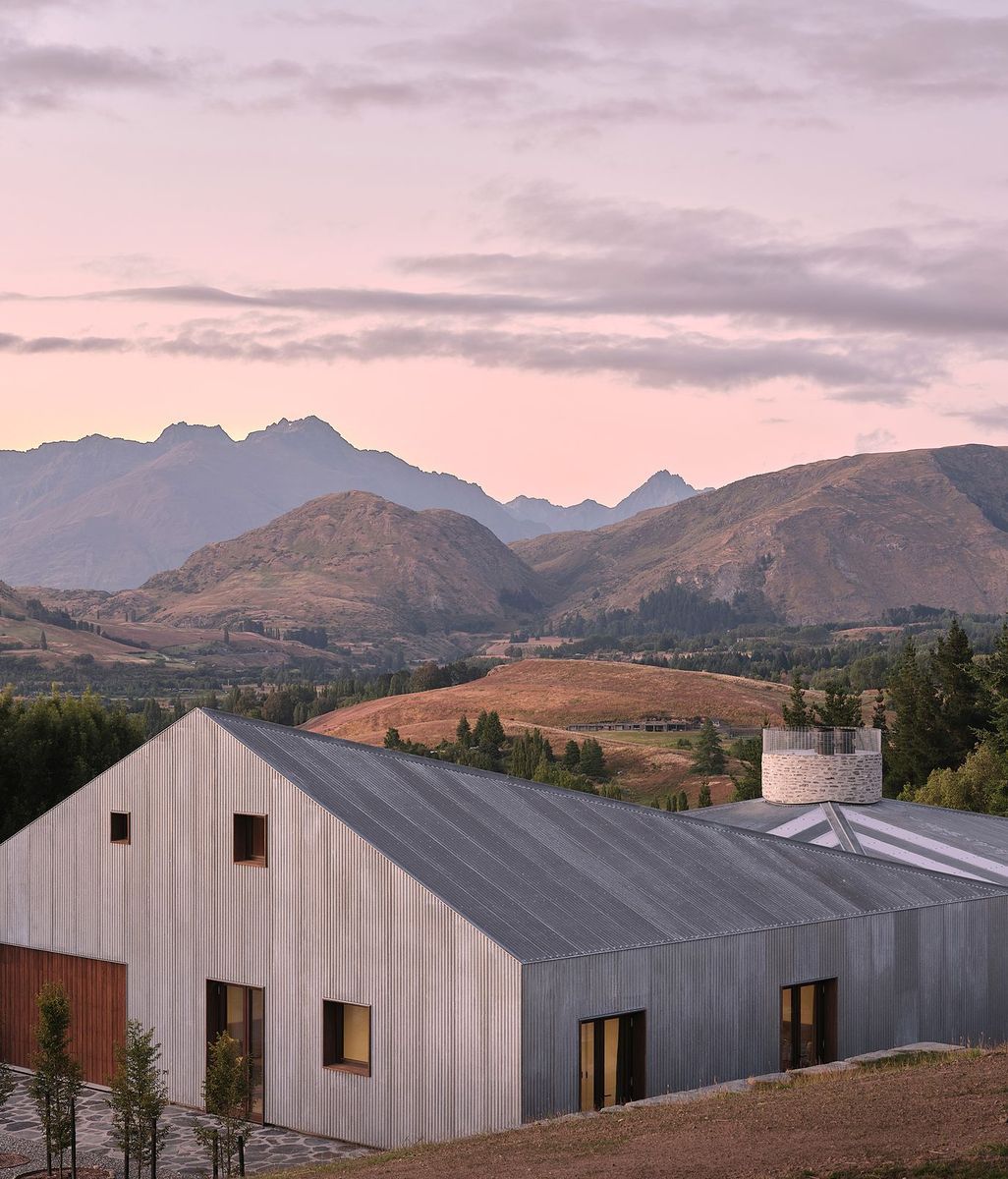
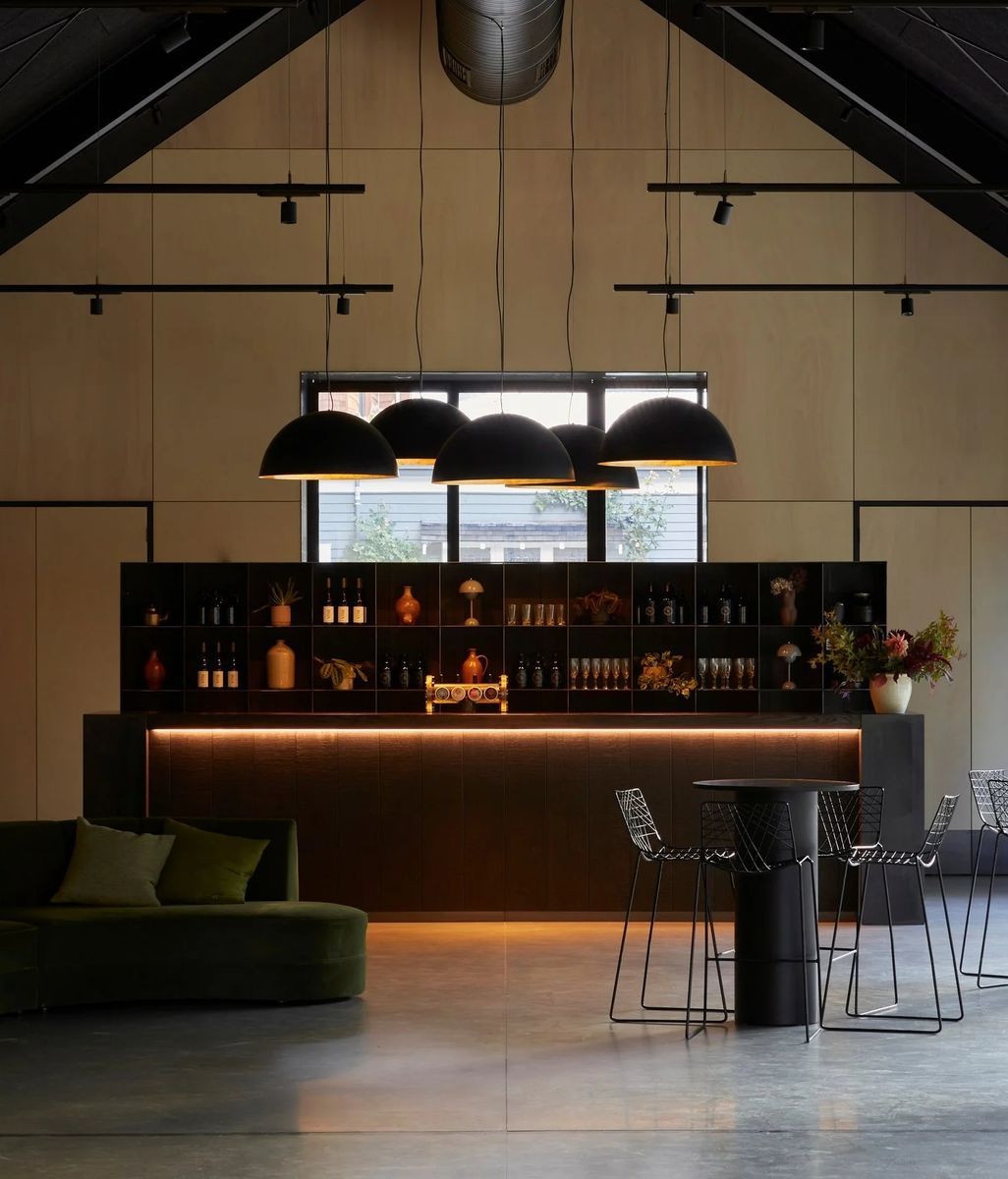
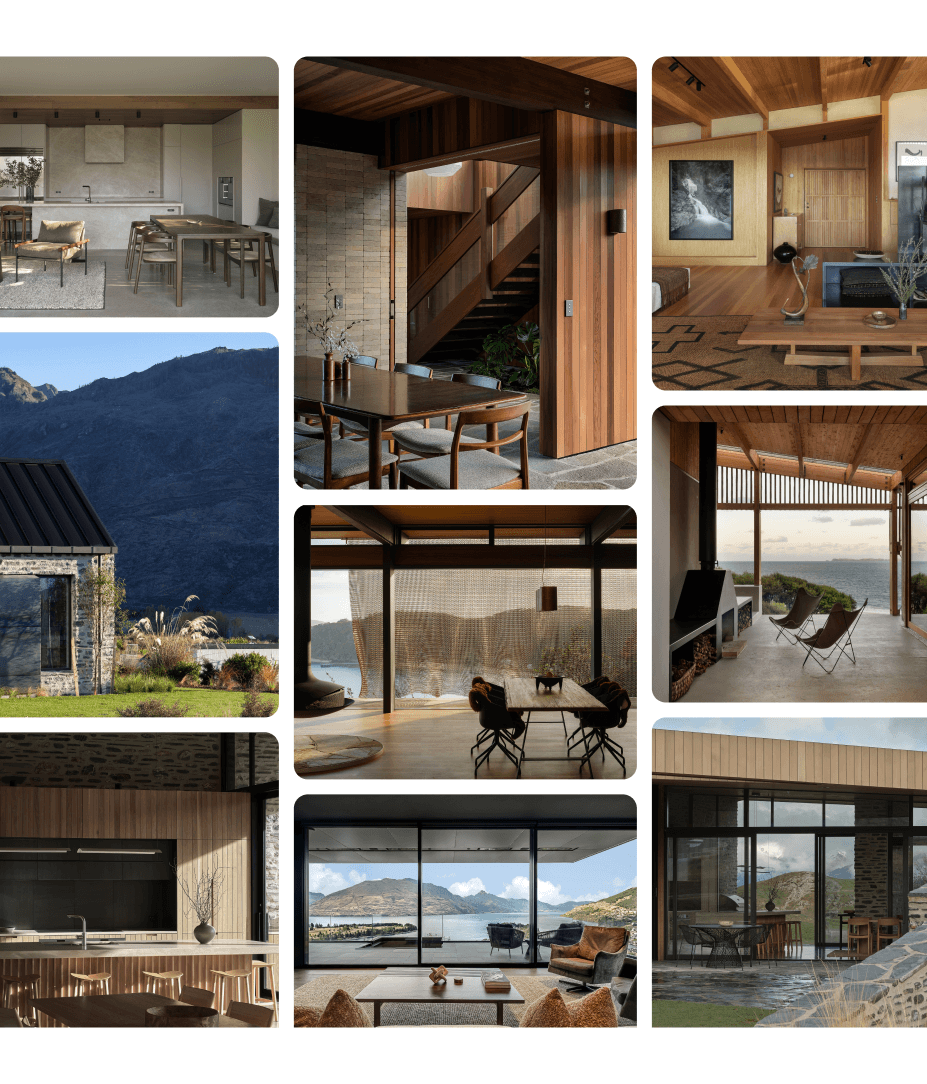
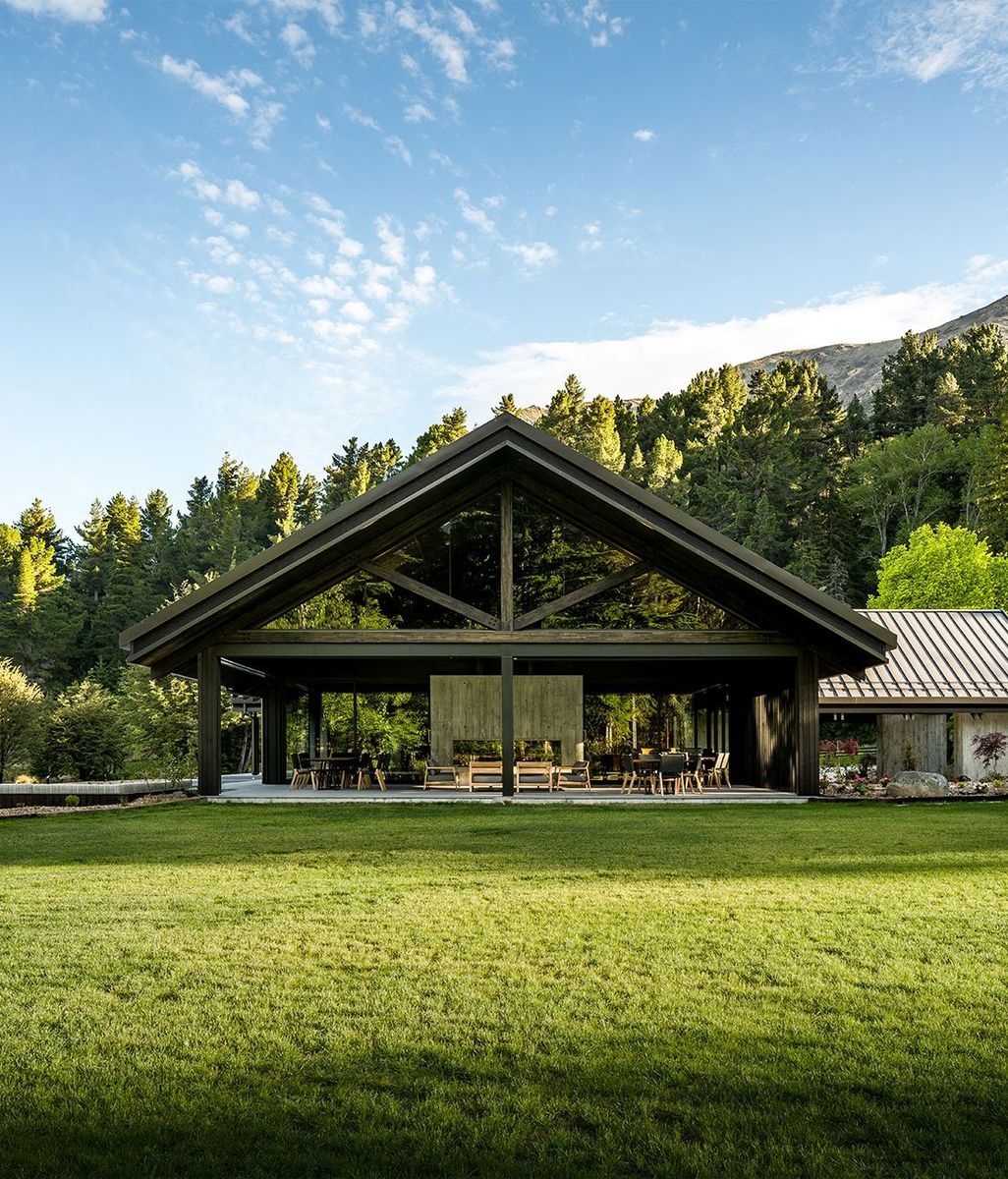
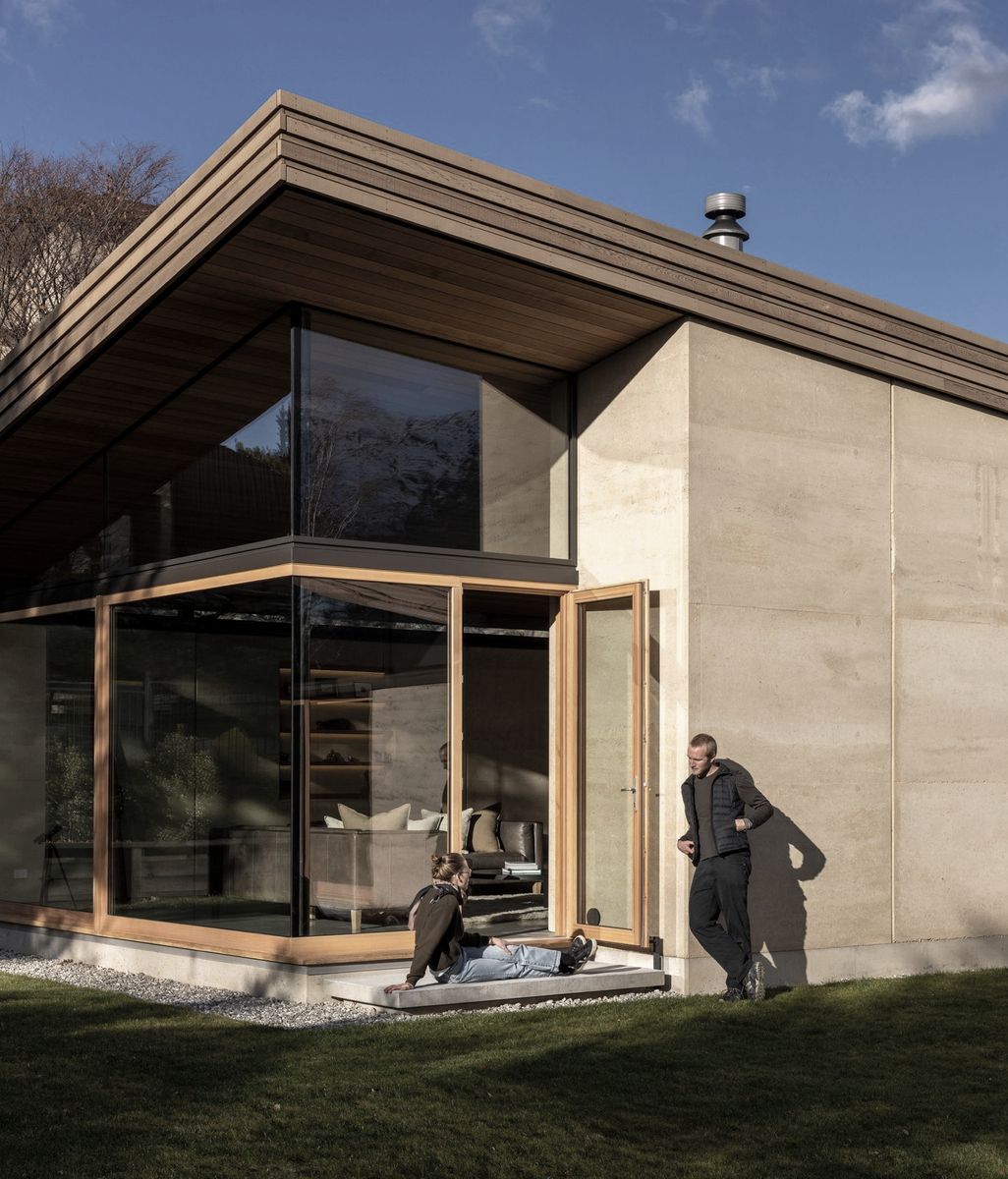
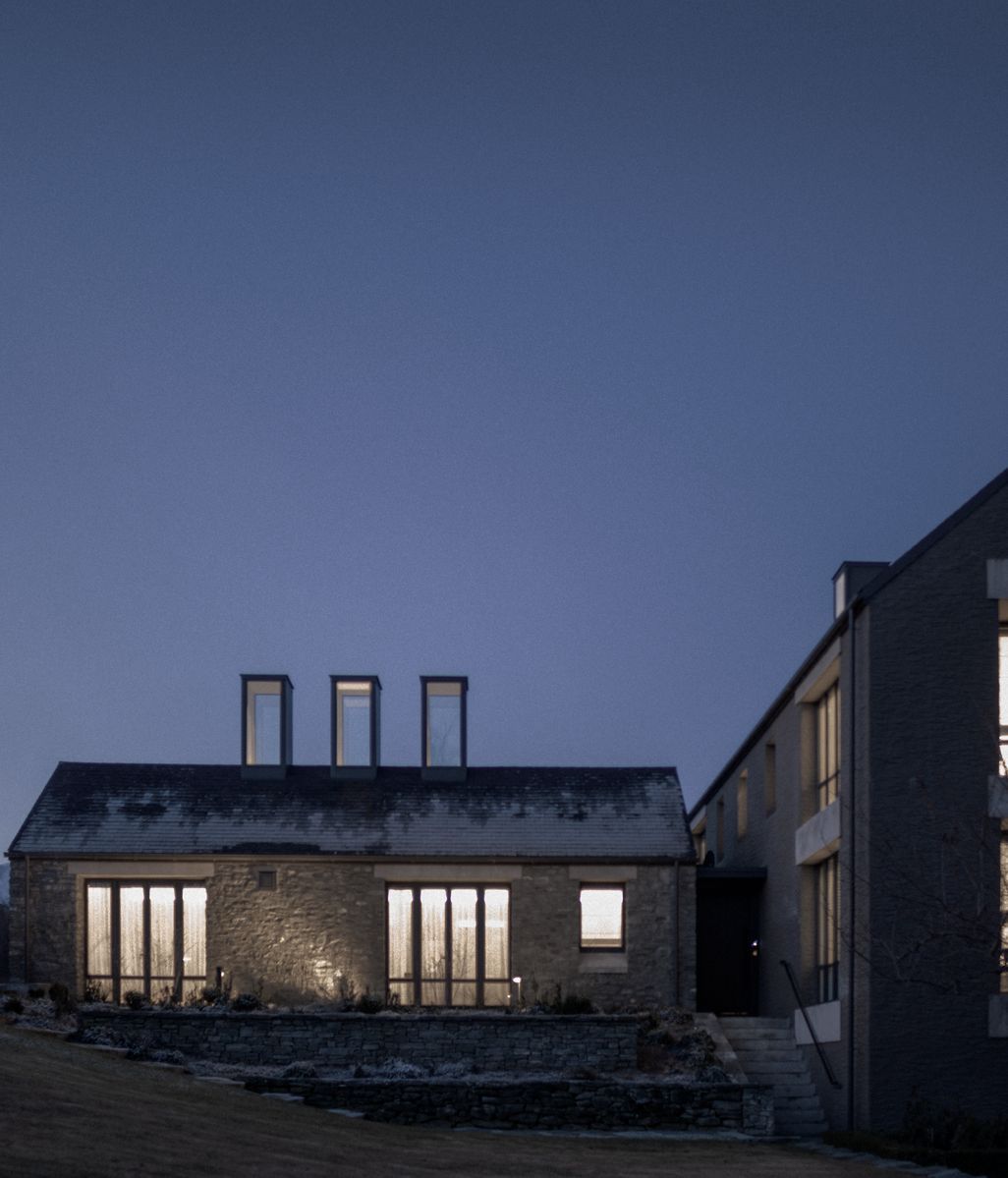
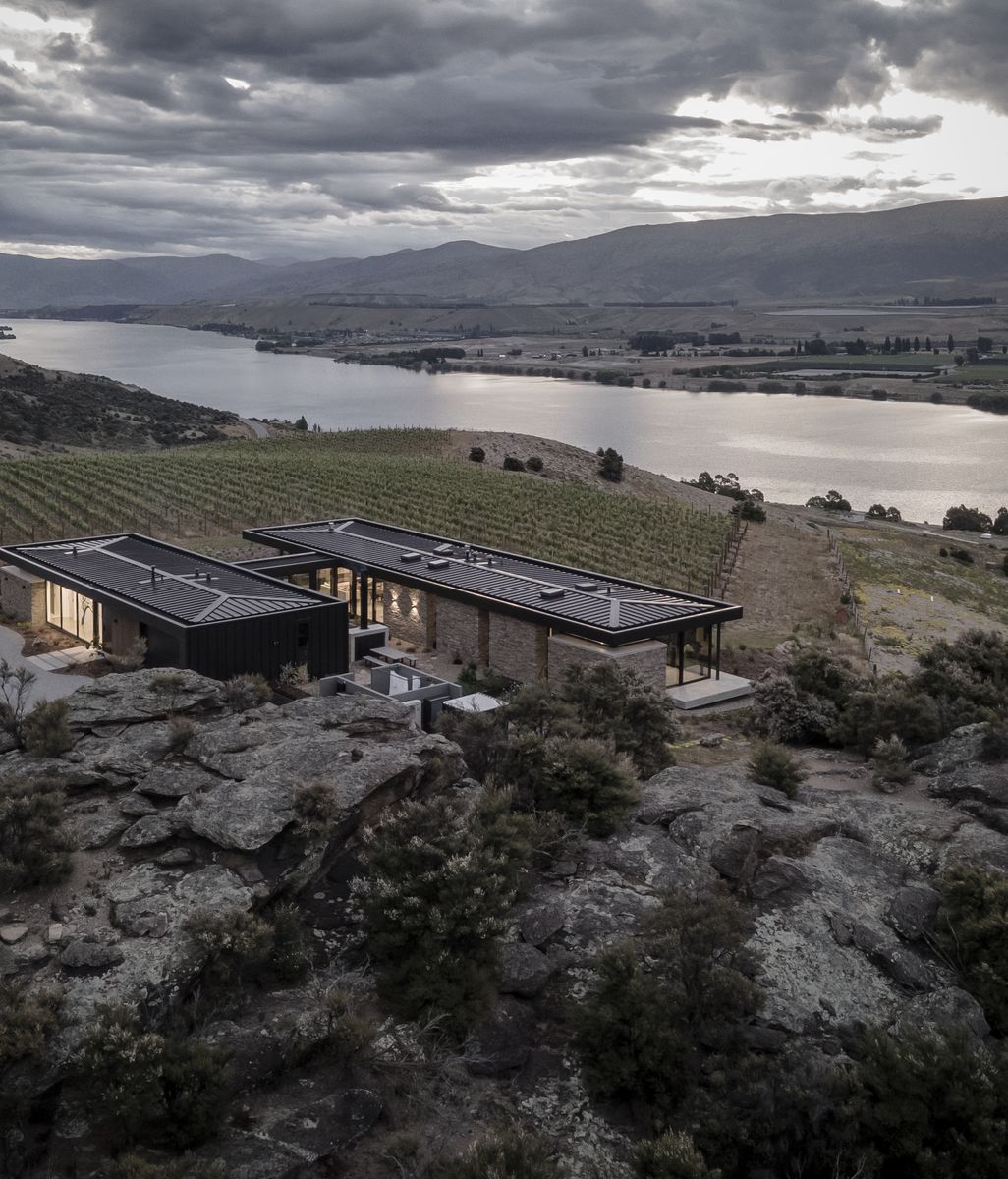
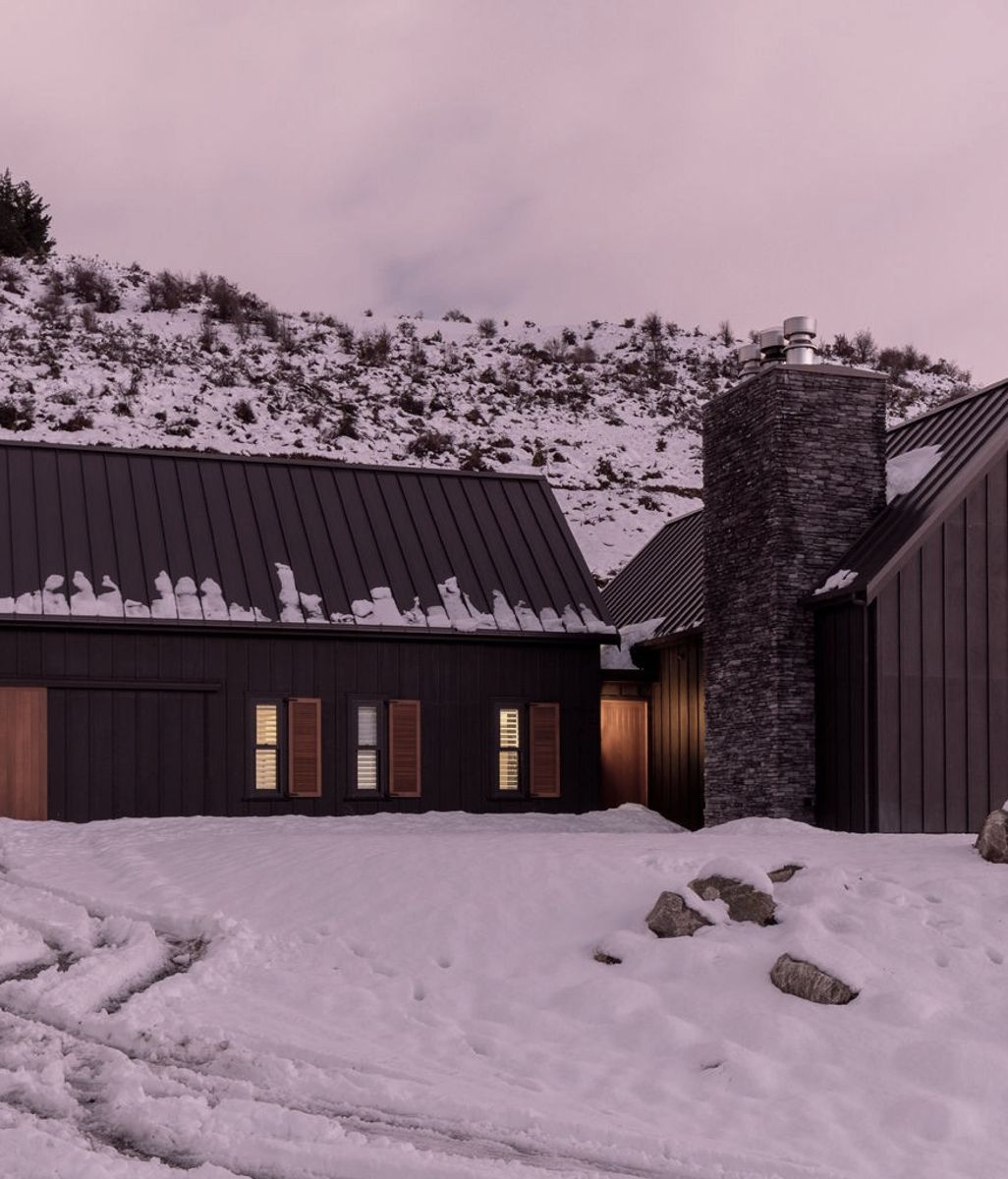
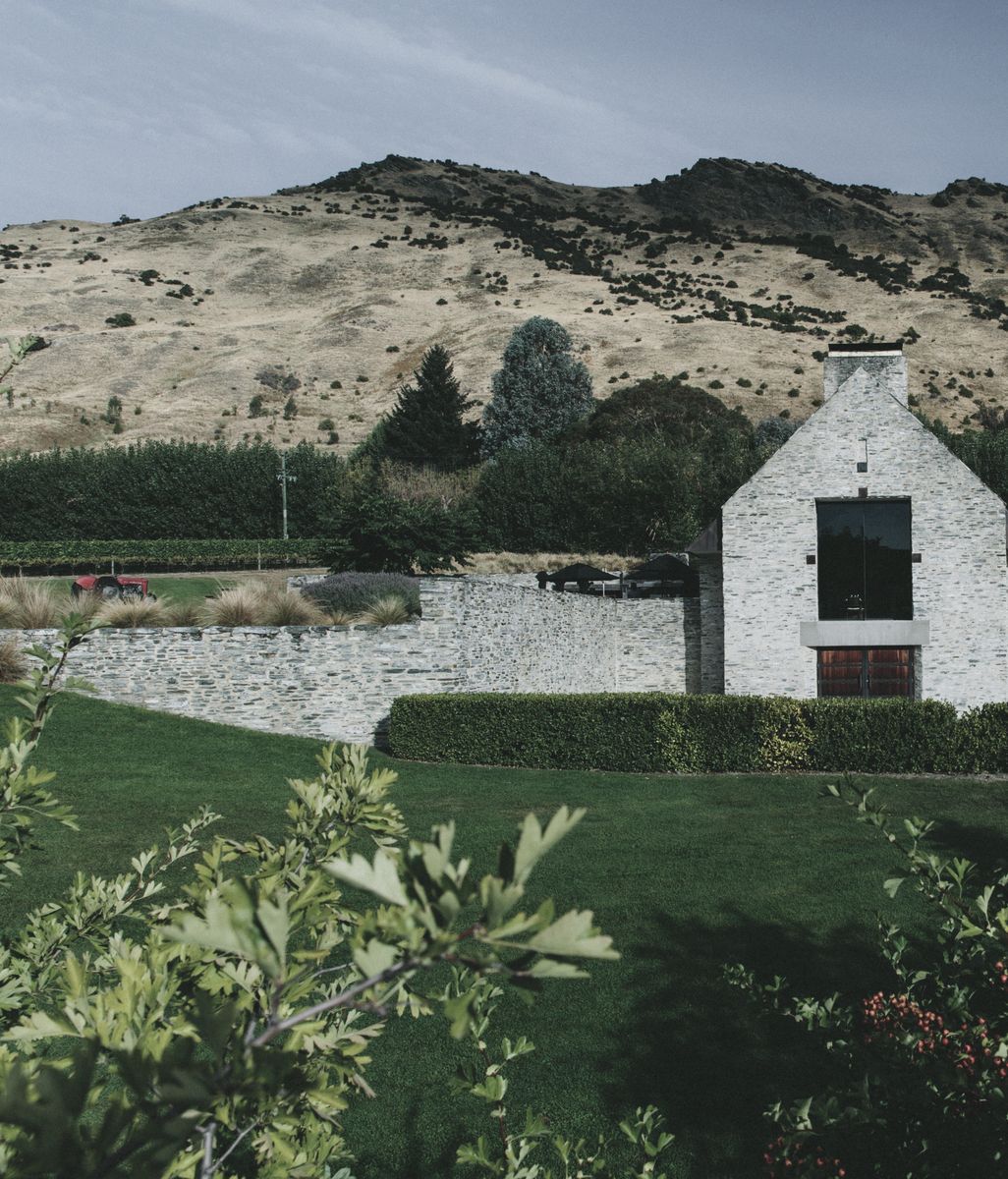
The design direction will reinterpret Queenstown’s alpine identity through a contemporary lens, drawing on local chalets, schist barns, ski culture and rugged natural textures. Rather than a conventional hotel or hostel model, the scheme will combine lifestyle-led hotel rooms with premium dorms, communal kitchens, co-working areas, lounges and activated hospitality spaces.

The project also marks another milestone for CTRL Space, which recently expanded into Queenstown alongside its Auckland and Brisbane studios. Known for its behaviour-led approach to hospitality design, the studio is shaping the project around how people gather, move and connect.

Works are expected to begin shortly, with completion anticipated in early 2027.

Explore more hospitality, interior design and commercial projects on ArchiPro, where leading designers, architects and suppliers are shaping the next generation of spaces across New Zealand and Australia.

Discover More Readingin Commercial Architecture

Discover More Readingin Contemporary

Discover More Readingin Alpine

Discover More Readingin Hospitality

Discover More Readingin Adaptive reuse