What Makes Engineered Oak Flooring High Quality?

featuring Ecodure Flooring

Ecodure Flooring logo
  • 51.9K profile views
  • 30 saves

Thickness alone does not make an engineered oak floor “premium.” Learn the practical checks — wear layer, core, adhesives, coatings, grading and documentation — then compare Ecodure Oak, SomaOak, Ecodure Australian and Bjelin hardened wood in person.
Visit Website

High-quality engineered oak is not defined by a single thickness number or a glossy brochure word. It is the sum of precise milling, a well-built multi-ply core, suitable adhesives and coatings, honest grading, and documentation you can check. If you know which questions to ask, you can compare floors with confidence — including Ecodure Oak, SomaOak, Ecodure Australian and Bjelin hardened wood at Ecodure.

Start with what engineered oak is

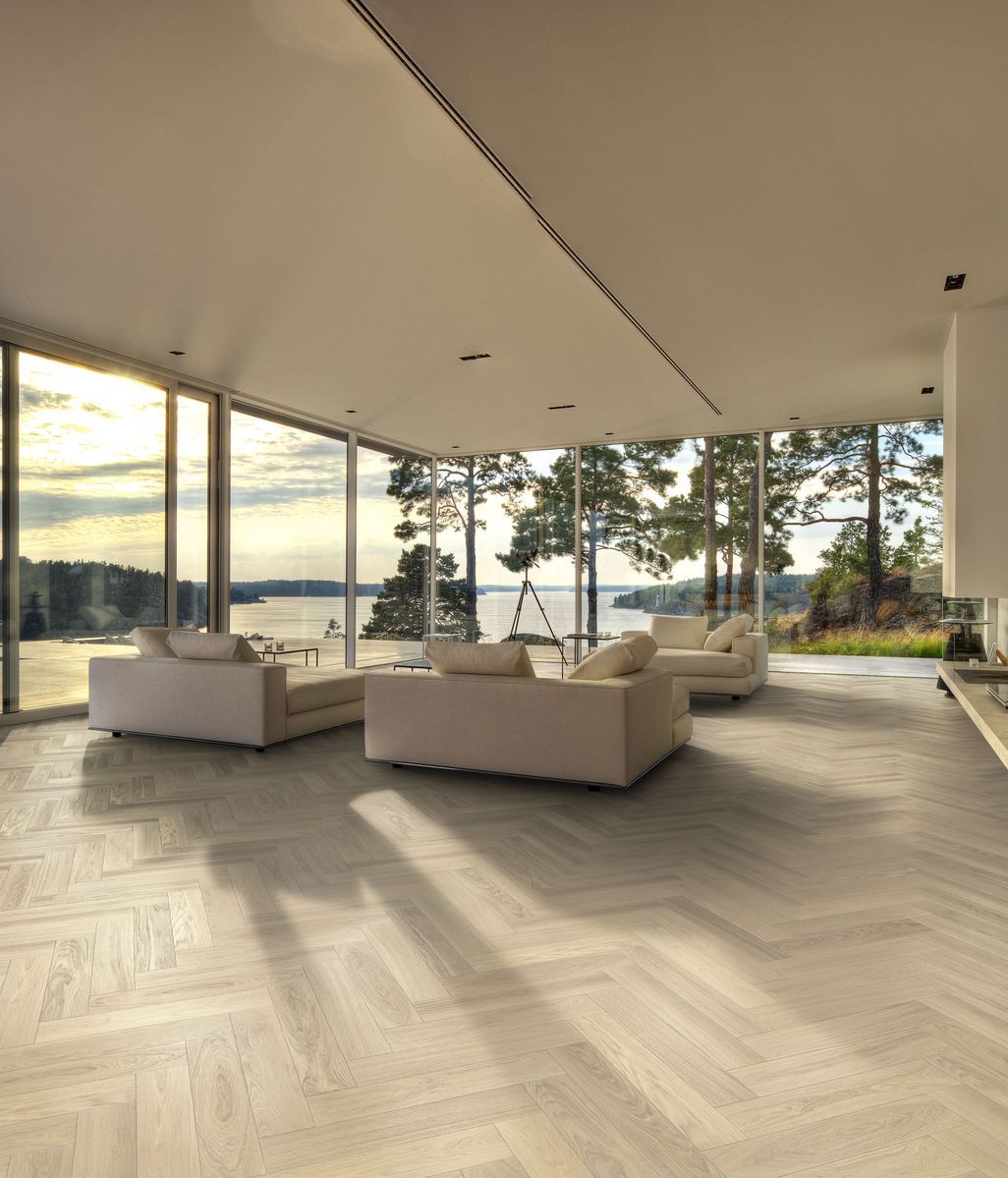
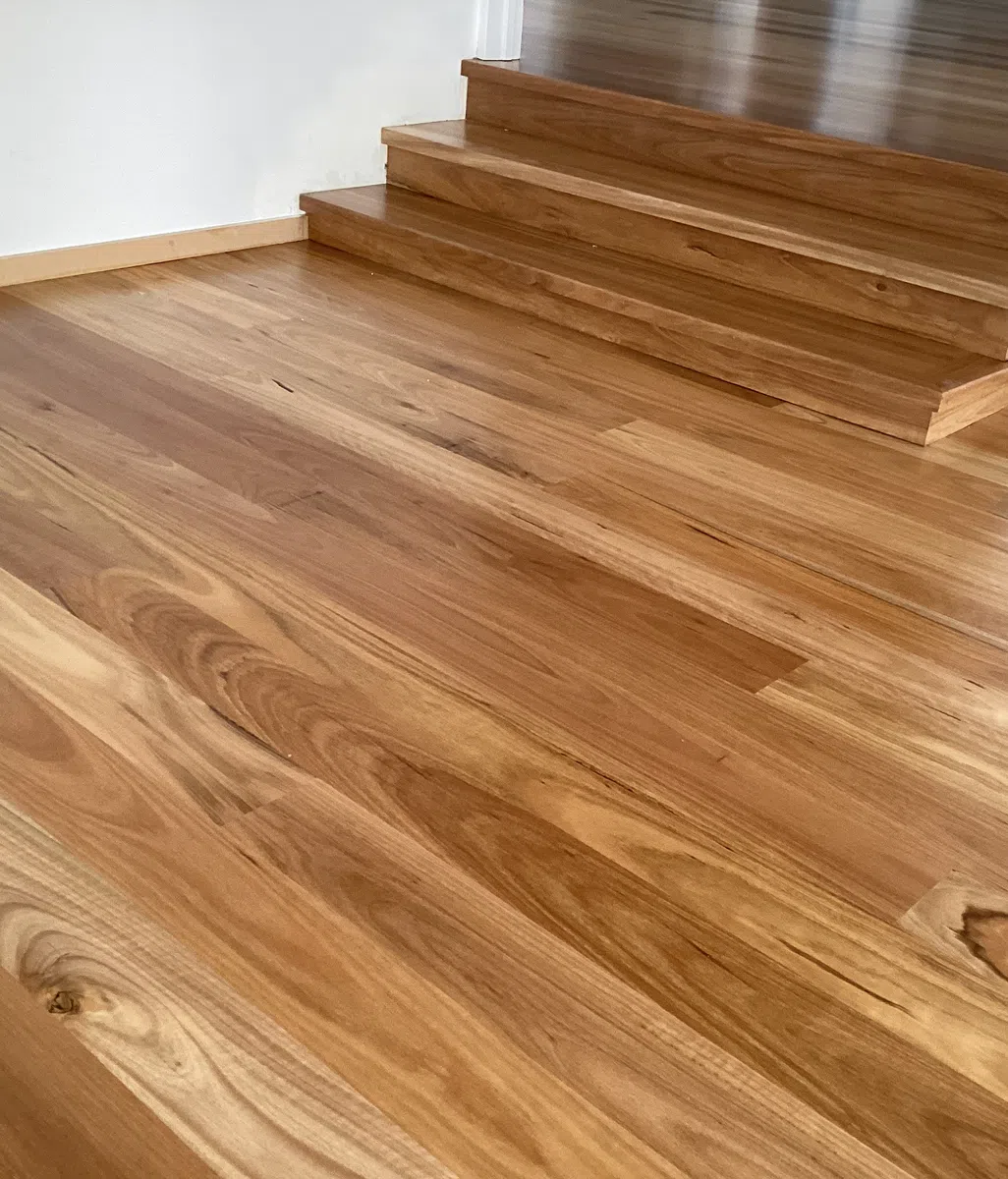
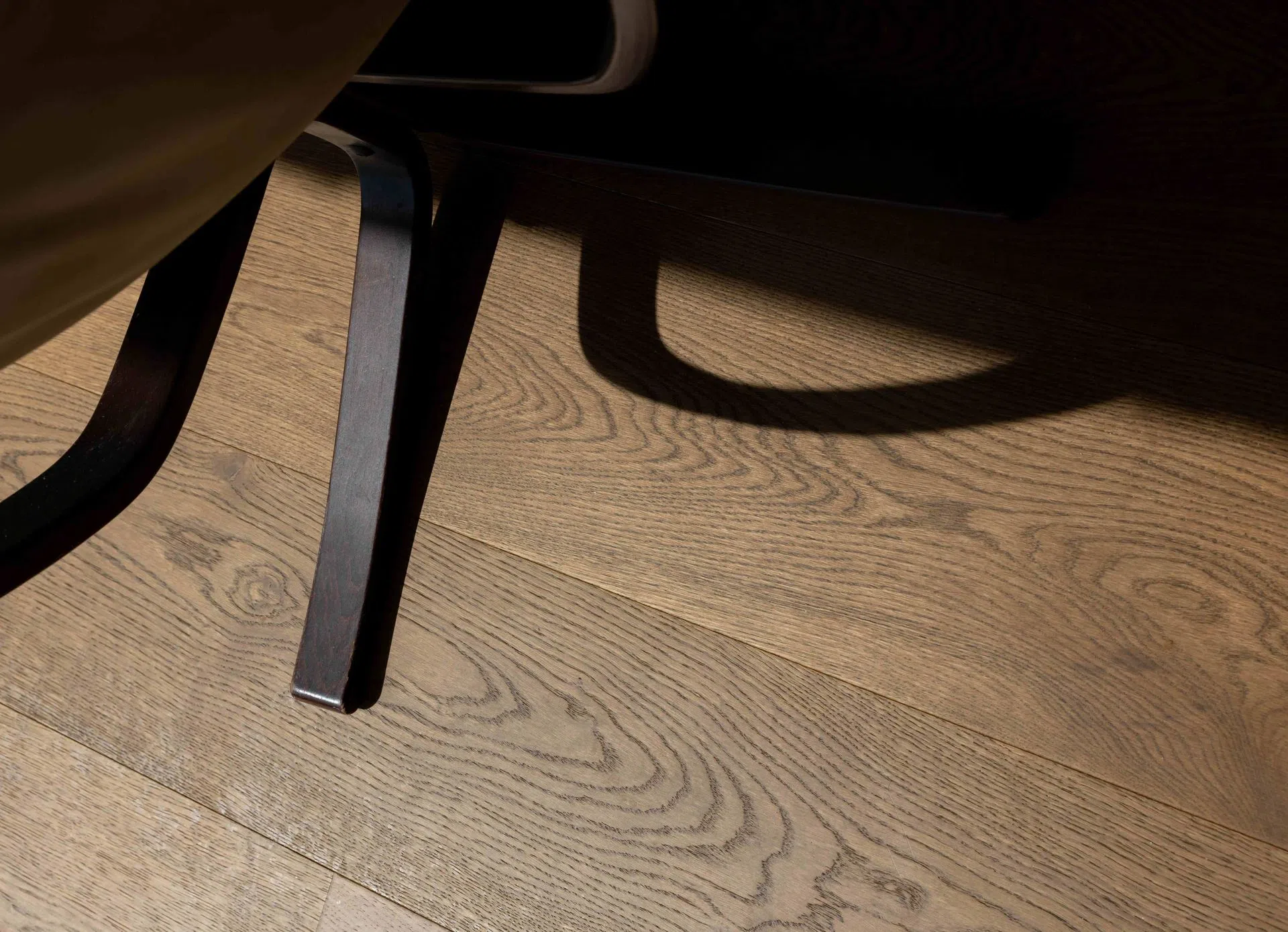
Engineered oak is real oak: a genuine hardwood wear layer bonded to a cross-layered plywood or multi-ply core. That construction is designed to improve dimensional stability compared with solid timber, while keeping the grain, texture and warmth people want underfoot. Some engineered floors can be refinished later — whether yours can, and how many times, depends on the specific product, wear-layer thickness and finish system. That is a different lifecycle from printed hybrid surfaces.

Bjelin hardened wood sits beside this category, not inside ordinary engineered oak. It uses compressed-wood technology for a real oak surface with a different performance brief. Sample it as its own option rather than treating every “oak” box as the same product.

Same thickness, different quality

Buyers often compare overall millimetre figures because they are easy to see on a quote. Two floors with the same overall thickness can still differ in wear-layer depth, core balance, bonding, coating system and grading consistency. Better questions are: how thick is the real oak wear layer, how is the core built, what bonds the layers, what coating sits on top, and how consistent is the grading from board to board.

Wear layer and surface finish

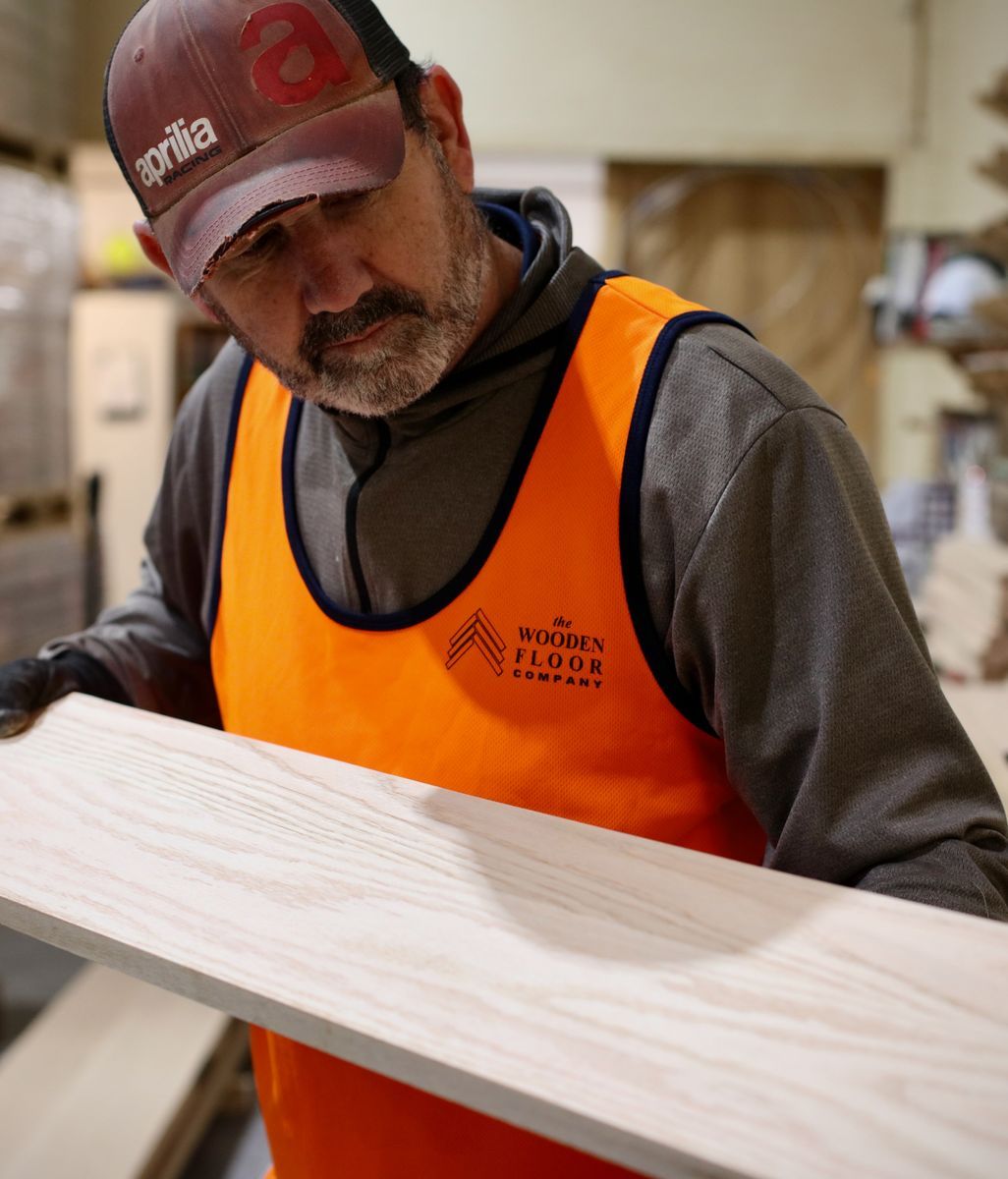
The wear layer is the real oak you see — and may sand in the future if the product allows. Ask how thick it is and what factory finish protects it. UV-cured lacquer systems with multiple coats are common on quality boards because they help resist day-to-day scuffs and stains when cared for properly. A strong coating supports an open-plan floor; ask to see the finish specification for the exact range.

Core, balance and climate

Changing humidity makes well-balanced construction important. Look for a core designed for stability, and ask whether the product is approved for your subfloor and any underfloor heating. Always follow the specific product instructions for thickness, install method and heating limits rather than assuming one rule fits every plank.

Adhesives, joints and installability

The adhesive that bonds wear layer to core, and the precision of the joint profile, both matter for long-term performance. Ask what adhesive system is used, and whether bond, moisture and emissions performance are documented for that product. Precise tongue-and-groove or click profiles help independent installers achieve a tight, lasting fit. Ecodure supplies the flooring; independent installers carry out installation.

Grading and colour consistency

“Rustic” and “premium” only help if the supplier grades consistently. Ask how boards are sorted for colour and character, whether batches are mixed for a natural spread, and whether you can see large sample sets before you commit. Custom colour work should still come with clear expectations about variation — oak is a natural material.

Documentation and sustainability questions

Ask for the paperwork that matters to your project: install guides, care guides, warranty terms for the specific product, and any responsible-sourcing or emissions certificates that apply to that exact range. If a sustainability claim is important to you, ask to see the primary certificate or documentation rather than relying on marketing copy alone.

What to compare at Ecodure

Ecodure Oak for French and European oak flexibility across grades, widths and formats. SomaOak when a project needs made-to-order specification. Ecodure Australian when you want engineered Australian hardwood character. Bjelin hardened wood when you want real oak in the hardened-wood category. Hybrid floors such as Duracore® Lifestyle — available exclusively from Ecodure — remain the waterproof timber-look alternative when real wood is not the brief.

Bring your joinery samples or paint chips when you visit — colour decisions are clearer when oak sits beside the finishes that will live with it.

Order up to four free samples online, or visit Albany and Grey Lynn to inspect boards in person. Browse the full wood flooring collection when you are ready to put quality checks beside real planks.
© Ecodure Flooring

Next Article

Keep scrolling
The Art of Making Complexity Disappear