Architecture Beyond the Brief

featuring Esse Architects

Esse Architects logo
  • 9.9K profile views
  • 5 saves

Successful architecture begins with understanding the vision behind a project, but bringing that vision to life takes more than good design. Peter Hunt of Esse Architects shares the practice's approach to collaboration, design development and project management, and how experience, communication and careful planning help deliver architecture with purpose.
Visit Website

Understanding Your Vision, Shaping the Design, Delivering Architecture with Purpose

Every architectural project begins with an idea. Sometimes the vision is clearly defined. At other times, it starts with a need, an opportunity or a problem that requires a fresh perspective.

At Esse Architects, we believe our first responsibility is to understand what our clients are trying to achieve. The initial brief provides a starting point, but there is often more to a project than the requirements first presented. Taking the time to listen, ask the right questions and explore possibilities can reveal opportunities that might otherwise be overlooked.

Over more than three decades, we have developed an approach that combines architectural experience with practical thinking and careful project management. It is built on strong working relationships, open communication and a commitment to seeing projects through from the first conversation to completion.

Understanding Your Vision

The early stages of a project are among the most important. Decisions made at this point can influence everything that follows, from the overall design and budget through to how successfully the finished building meets its intended purpose.
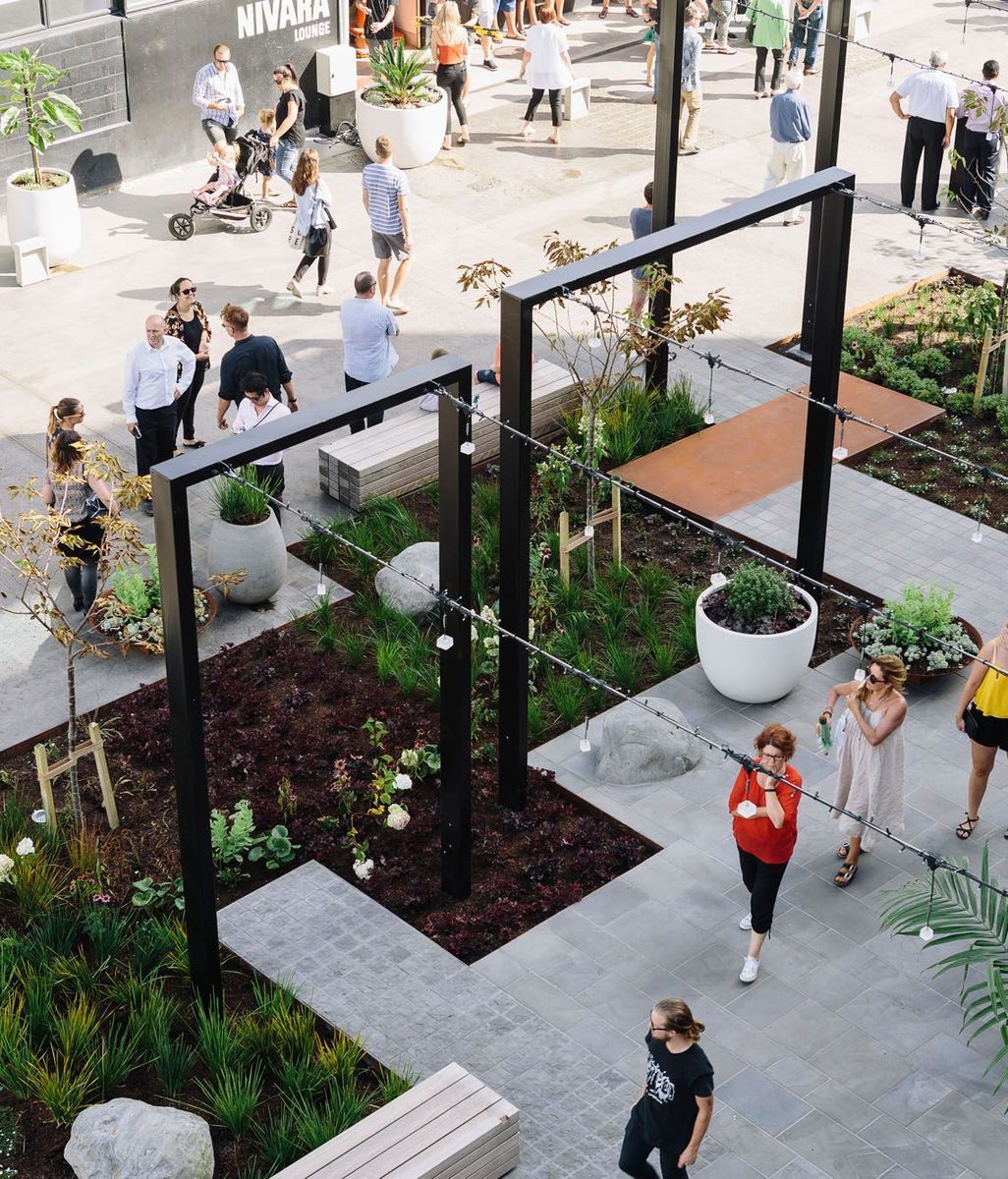
We begin by getting to know the people behind the project. What are their aspirations? How will the building be used? What works well now, and what could be improved? Understanding these things helps us look beyond the immediate requirements and consider what the project could achieve.

Our experience across commercial, healthcare, education, cultural and institutional architecture gives us insight into how different buildings function and how their requirements change over time. It also means we can draw on lessons learned from previous projects, recognise potential challenges and suggest alternatives where we believe they could improve the outcome.

These discussions form the basis of an agreed strategic brief. We work with the client to establish the scope, priorities and objectives, creating a clear direction for the design team. The brief is then refined as the project develops and decisions are made.

Cost is considered from the beginning, not once the design is complete. Working with the appointed Quantity Surveyor, where appropriate, we develop increasingly detailed estimates as the design progresses. This allows us to test ideas against the available budget and make informed decisions about where investment will deliver the greatest benefit.

Taking the time to establish a sound brief provides clarity for everyone involved and helps avoid unnecessary changes further down the track.

Shaping the Design Through Collaboration

Good architecture draws on a range of skills and perspectives. Our role is to bring these together in a way that supports the design and the people who will ultimately use the building.

Each project is led by an experienced architect who maintains oversight of the design and coordinates the wider consultant team. Senior involvement is an important part of how we work, providing continuity and ensuring that the knowledge gained during the early stages is carried through as the project develops.

Over the years, we have built strong working relationships with engineers, specialist consultants and contractors. We know the value of having experienced people around the table, particularly when projects involve complex technical requirements or difficult site conditions.

Structural, fire, acoustic and building services specialists contribute as required, helping us resolve technical issues while the design is still taking shape. Bringing this expertise into the process early can prevent problems that might otherwise become costly or difficult to address later.

We also involve the people who will use the building. On projects with complex operational requirements, consultation with user groups helps us understand how individual spaces need to function. This information may be developed into detailed room requirements, giving both the client and design team a clear reference as the design progresses.

Throughout the process, we review proposals against the brief, programme and cost plan, refining the design as new information becomes available.

Working within a budget is something we are very familiar with. Constraints often require us to think harder about the design, explore alternatives and decide where resources will make the greatest difference. Some of the most satisfying solutions come from finding a better way to achieve something rather than simply spending more.

Communication and Confidence

We have always placed considerable importance on good working relationships. Architecture is a collaborative process, and the way people communicate can have a significant influence on how smoothly a project progresses.

We establish regular meetings with client representatives to review the design, programme, budget and any matters requiring decisions. Outside these meetings, we maintain contact as needed so questions can be addressed without unnecessary delay.

Our approach is to keep clients informed and involved. We want them to understand how their project is progressing, what decisions are coming up and any implications those decisions may have.

The same principles apply within the design team. Our architects and specialist consultants work closely together, sharing information and resolving issues as they arise. Many of these relationships have developed over years of working on projects together, creating a level of familiarity and trust that benefits the work.
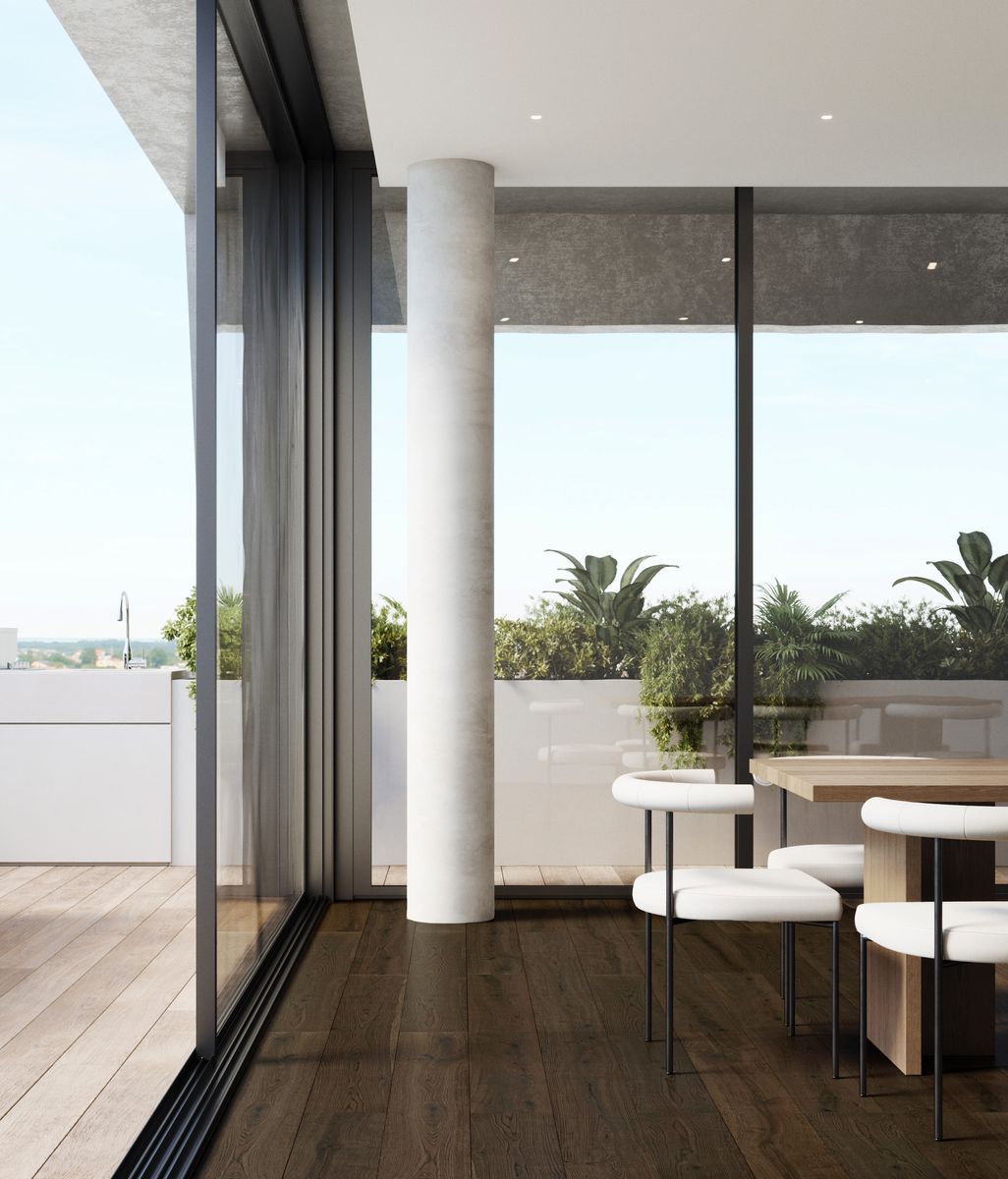
We also value our relationships with contractors. A capable contractor who understands the project and works constructively with the design team can make a considerable difference during construction.

We aim for a ‘no surprises’ approach, where potential issues are raised early, decisions are properly considered and everyone understands what needs to happen next.

Design Quality and Lasting Value

The quality of a building is determined by far more than its appearance. It comes from the many decisions made throughout the design and construction process, some of which may never be apparent to the people using the finished building.
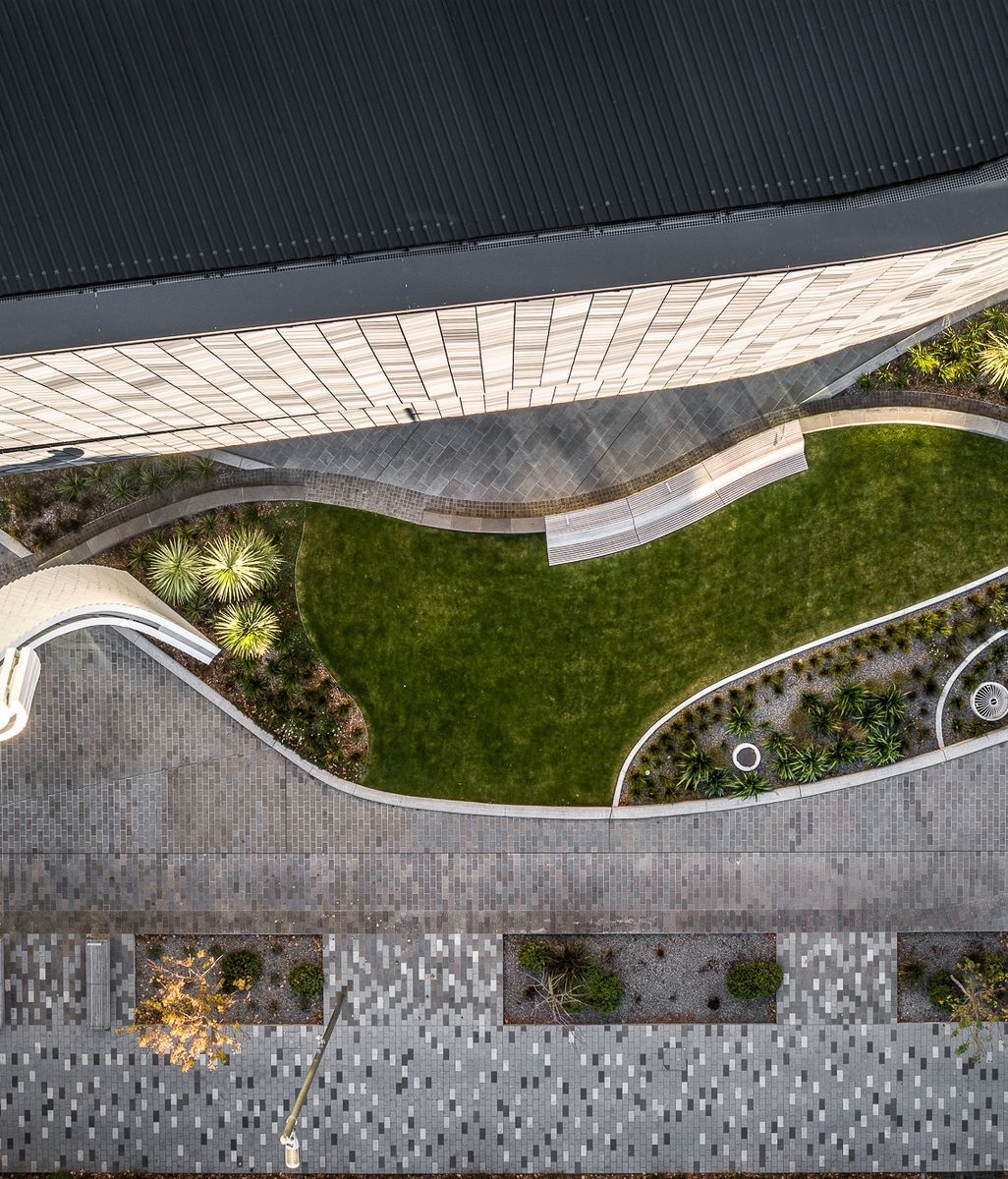
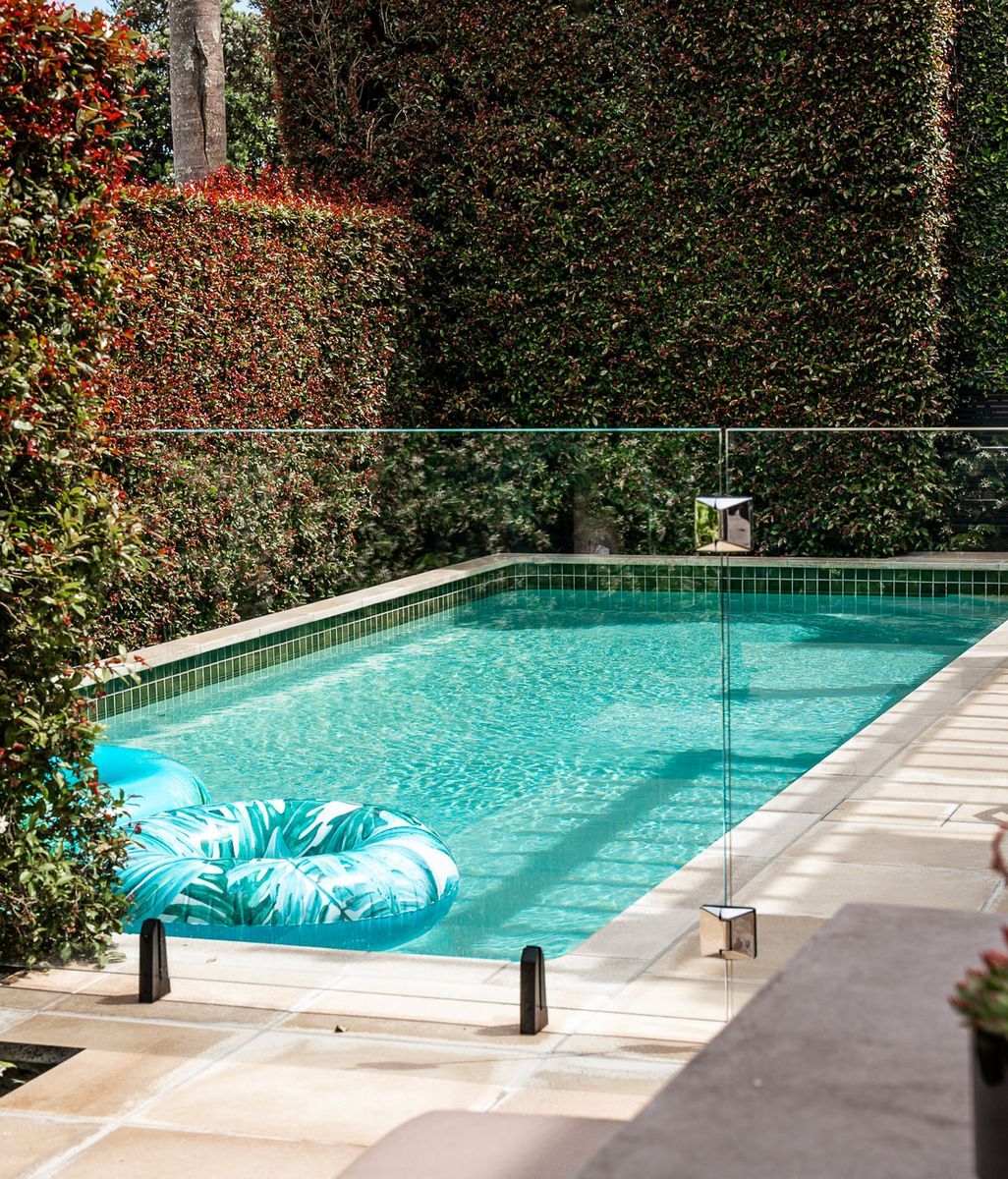
We consider quality in relation to value. The materials selected, the way components are detailed, how building services are integrated and how the spaces function all influence the long-term performance of a building.

Our design process includes regular reviews of drawings and specifications, coordination with specialist consultants and checks against the agreed brief, cost plan and relevant standards.

We place particular importance on producing accurate and detailed construction documentation. Clear drawings and specifications help contractors understand what is required, reduce ambiguity and minimise the potential for unnecessary variations during construction.

The future use of a building is also considered. Where practical, we look for opportunities to allow spaces to adapt or expand as requirements change. This may involve relatively simple decisions during the design process that make a significant difference to the building’s usefulness over time.

Good design is not necessarily about adding complexity. Often, it is about finding a straightforward solution that works well, is economical to build and will continue to perform as intended.

Maintaining the Vision Through Construction

A building can be carefully designed on paper, but its success also depends on how that design is carried through construction.

Esse undertakes contract administration on many of our projects. We consider this an important part of the architectural service because it allows us to remain involved as the design becomes a physical building.

Wherever possible, the architect who has led the design continues to work with the project during construction. Having that knowledge and continuity helps when questions arise on site or decisions need to be made quickly.

The Project Architect works with contractors and specialist consultants to respond to technical queries, review materials and workmanship, coordinate necessary changes and monitor progress against the contract requirements.

Regular site visits and meetings allow us to review the work as it progresses, identify issues that need attention and help ensure the design is being implemented as intended.

We also assist with assessing variations, reviewing progress payment claims where required and coordinating specialist advice when unexpected conditions or technical questions arise.

Our involvement continues through the final stages of construction and handover. This includes reviewing outstanding work, addressing defects and checking the documentation required for completion.

We believe there is considerable value in maintaining this continuity. It helps protect the integrity of the design and gives clients confidence that the people who developed their project remain involved in delivering it.

Managing Risk and Protecting Your Investment

No building project is without risk. Costs can change, unexpected site conditions may be discovered and construction programmes can be affected by circumstances beyond anyone’s control.

Experience helps us recognise where problems are most likely to arise and put measures in place to manage them.

Budget is often the greatest concern. We place considerable emphasis on defining the scope properly, establishing realistic cost expectations and reviewing the design as it develops. Working with a Quantity Surveyor and the wider consultant team, we can identify cost pressures early and consider alternatives before they become more difficult to resolve.

The selection of the project team is equally important. We allocate architects and technical staff according to the requirements and complexity of the work, with experienced senior personnel providing oversight and support. Our systems and working practices also allow resources to be adjusted when workloads or circumstances change.

Choosing the right contractor is another important consideration. We prefer to work with contractors whose capabilities and track records are known to us, although every project requires an appropriate procurement process. Clear documentation and a well-considered procurement strategy help reduce uncertainty and establish a sound basis for construction.

We also understand that not every issue can be anticipated. When challenges do arise, our focus is on understanding the implications, working with the relevant people and finding a practical way forward.

The objective is to manage risk sensibly, protect the client’s investment and keep the project moving towards its agreed goals.

Delivering Architecture with Purpose